
![Swim Nappy Bundle [Ship Oct 5 - 10] - Mimi & Co](http://mimiandco.com.au/cdn/shop/files/swim-nappy-bundle-ship-oct-5-10-5796576.jpg?v=1770171125)

![Toilet Training Undies Pants [Jan Preorder] - Mimi & Co](http://mimiandco.com.au/cdn/shop/files/toilet-training-undies-pants-jan-preorder-6316642.jpg?v=1766216229&width=1200)


![Reusable Bamboo Mimi™ Wipes [5 Pack] - Mimi & Co](http://mimiandco.com.au/cdn/shop/files/reusable-bamboo-mimi-wipes-5-pack-7600782.jpg?v=1773649075)


![Reusable Mimi® Menstrual Underwear [Shipping 31/9] - Mimi & Co](http://mimiandco.com.au/cdn/shop/files/reusable-mimi-menstrual-underwear-shipping-319-6508918.png?v=1776734572)

![Toilet Training Undies Pants 2.0 | Baby Duck [Ships September] - Mimi & Co](http://mimiandco.com.au/cdn/shop/files/toilet-training-undies-pants-20-baby-duck-ships-september-9296055.png?v=1784808614&width=104)



![Travel Bamboo Change Mat [Ships March 14th] - Mimi & Co](http://mimiandco.com.au/cdn/shop/files/travel-bamboo-change-mat-ships-march-14th-1490896.jpg?v=1769606287&width=104)


![Reusable Bamboo Mimi™ Wipes [10 Pack] - Mimi & Co](http://mimiandco.com.au/cdn/shop/files/reusable-bamboo-mimi-wipes-10-pack-2507756.jpg?v=1773666247&width=104)
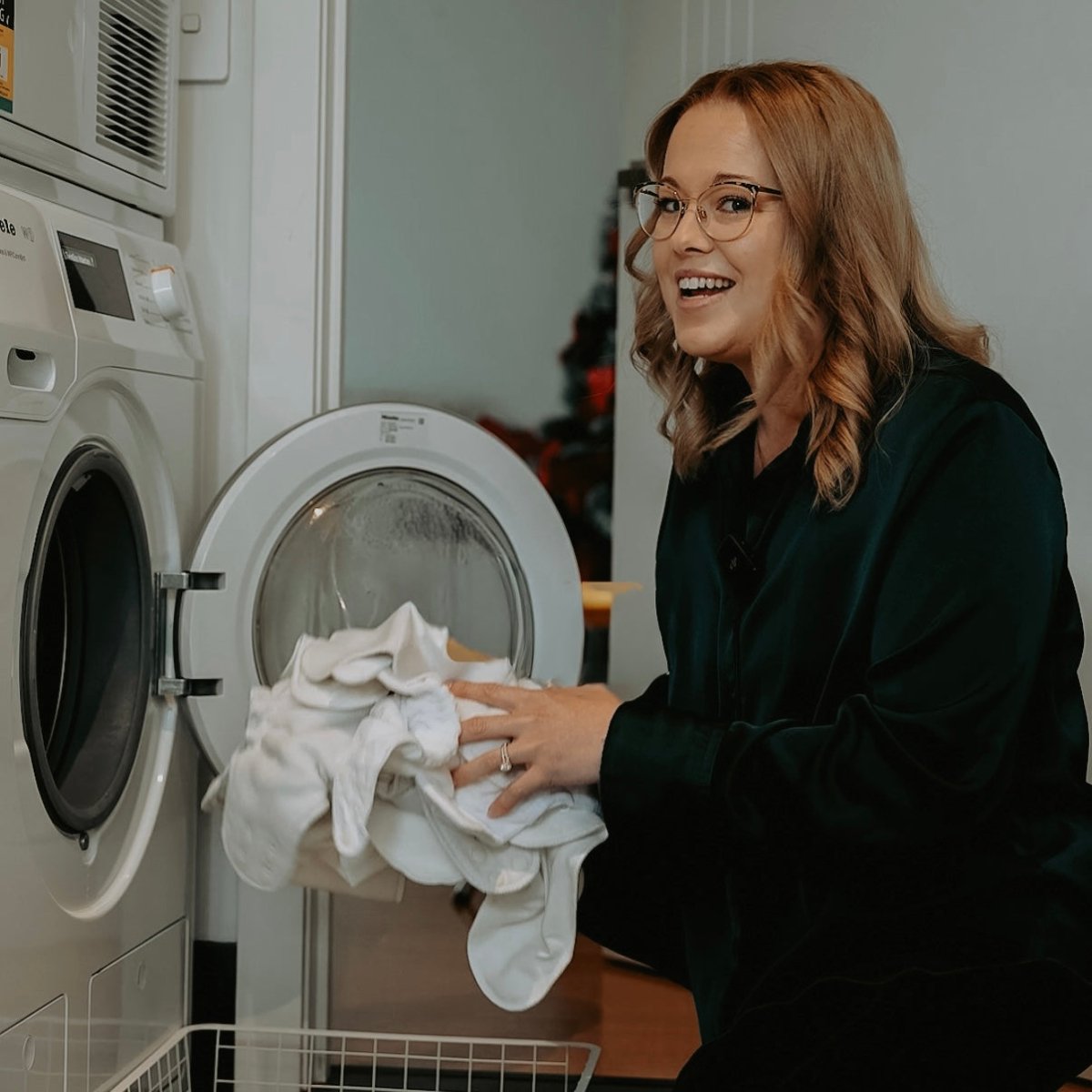
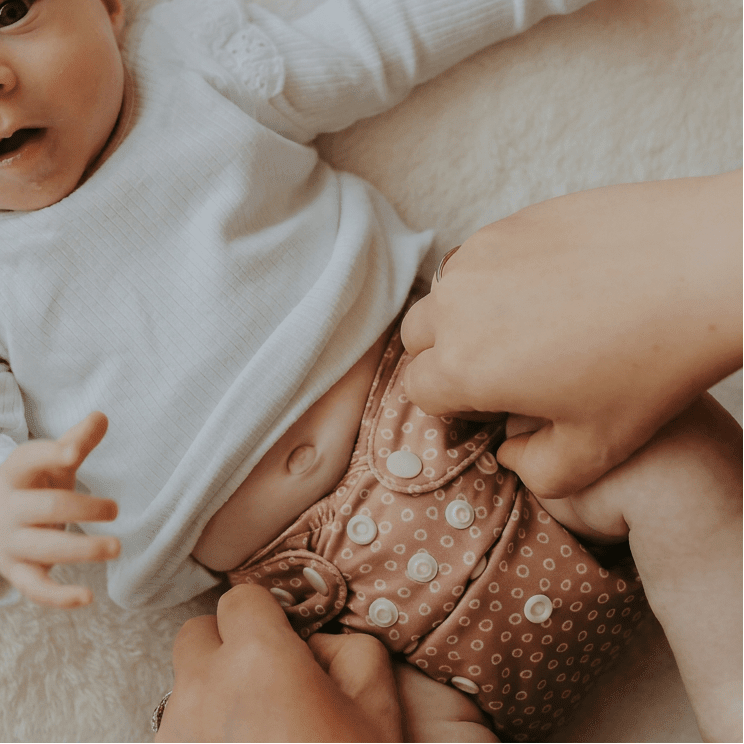
Sanitising is a reset button for your cloth nappies, not part of your everyday routine. A good wash routine with an enzyme detergent keeps nappies clean on its own. Sanitising is for the times when something has gone wrong, like ammonia build-up, illness or a preloved stash, and you need to start fresh.
The good news is that it is simple. There are only two methods, and which one you use depends on what the item is made of:
- Hot wash (90 degrees) for anything without TPU (the waterproof layer) or elastic: inserts, boosters, prefolds, flats and reusable wipes.
- Bleach soak for anything with TPU or elastic: nappy shells, covers, swim nappies and wet bags.
Below we walk you through when to sanitise, exactly how to do each method, and how to keep your stash fresh afterwards so you don't need to do it again.
When should you sanitise?
Only sanitise when there is a reason to. Bleach and very high heat are tough on fabrics, elastics and TPU, so doing it often will shorten the life of your stash. Here are the times it is worth doing:
| Situation | Signs to look for |
|---|---|
| Ammonia build-up | A strong, sharp smell like cleaning ammonia, especially on night nappies or straight after a wee. Red or rash-like marks where the nappy sits. |
| Persistent nappy rash | A rash that doesn't settle after a few days of good barrier cream and more frequent changes. Always check in with your GP or child health nurse too. |
| Illness | After a gastro bug, or any illness that has passed through the nappies. |
| Thrush or yeast | When your GP or nurse confirms a yeast or thrush rash. Sanitise after treatment starts, and again once it has cleared, so it isn't passed back to bub. |
| Preloved nappies | Any secondhand or borrowed stash, before it goes on your baby. |
| Mould or mildew | Black or grey spots from nappies left damp in a bag or bucket. |
| Long-term storage | Before packing nappies away for the next baby, or when taking them back out. |
Most common cause: the wrong detergent. Detergents without enzymes (such as many "eco" or liquid detergents) can't break down wee and poop properly. Residue slowly builds up in the fibres and turns into ammonia. If this sounds like you, sanitising will reset your stash, but you will also need to switch detergents or the problem will come back. Our detergent index shows which detergents we recommend, and we explain why some don't work in our post on the worst detergents for cloth nappies.
Before you start
Get everything clean first. Sanitising kills bacteria, but it doesn't remove poop, residue or detergent build-up, so always start with freshly washed nappies.
- Wash everything with your usual prewash and main wash, using an enzyme detergent.
- Sort your stash into two piles: items with TPU or elastic (shells, covers, swim nappies, wet bags) and items without (inserts, boosters, prefolds, flats, wipes).
- Check your care labels. If an item from another brand has its own instructions, follow those.
What you'll need
- Regular, unscented household bleach (sodium hypochlorite, around 4%). Avoid "thick", scented or gel bleaches.
- A measuring cup or jug
- A clean bucket, laundry tub or bath
- Rubber gloves
- Your usual enzyme detergent
Stay safe
- Wear gloves and keep the room well ventilated.
- Always use cool water. Hot water releases more chlorine fumes and weakens the bleach.
- Never mix bleach with other cleaning products, especially vinegar, ammonia or other acidic cleaners. This can release toxic gas.
- Keep children and pets away from the soak, and never leave it unattended with little ones around.
Method 1: Hot wash for inserts, boosters and wipes
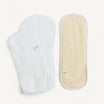
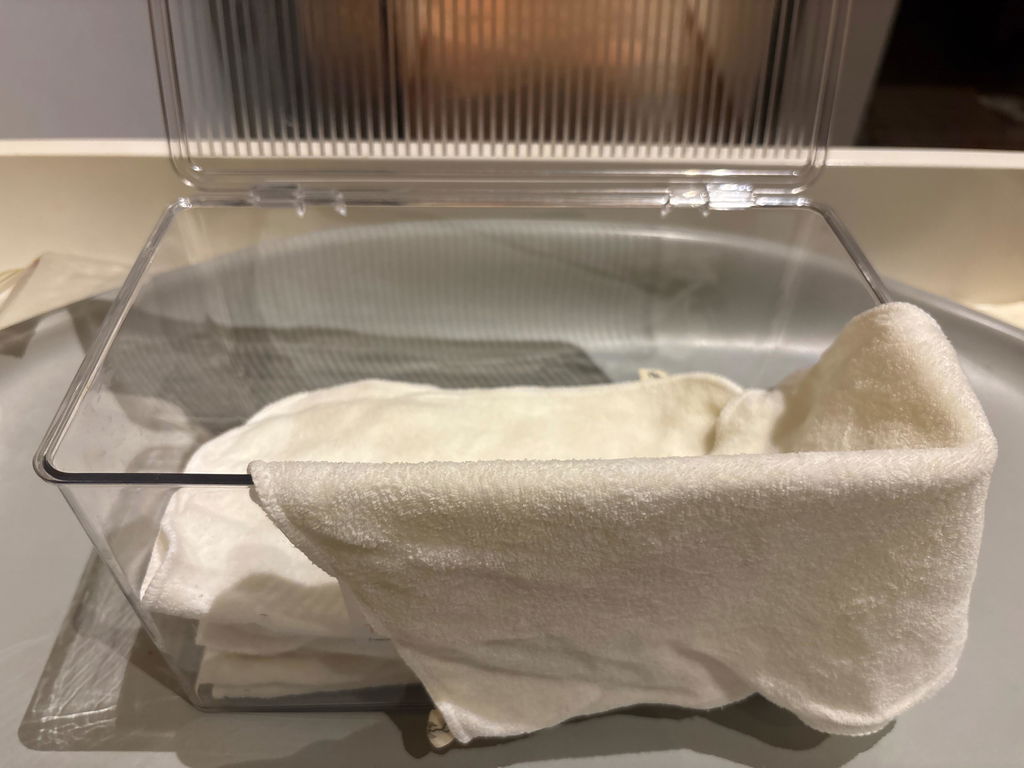
Anything without TPU or elastic can be sanitised with a 90 degree wash. This includes all of our inserts (average wetter, heavy wetter, hemp, cotton and bamboo), boosters, trifolds, prefolds, flats and reusable cloth wipes. No bleach is needed.
- Load your clean inserts and wipes into the machine. Don't overfill, so the water can move freely.
- Select a 90 degree cotton cycle. Most front loaders have this setting.
- Add a regular dose of your enzyme detergent.
- Run the cycle, then dry as usual. Line drying in the sun is ideal, as UV helps freshen and brighten.
Top loader or no 90 degree setting? Top loaders usually can't heat water this high. In that case, sanitise your inserts and wipes with the bleach soak in Method 2 instead, using the same ratio and soak time.
A note on natural fibres: Cotton, bamboo and hemp are hard-wearing, but very hot washes do add to natural wear over time. Save the 90 degree wash for when you genuinely need it.
Method 2: Bleach soak for shells and covers
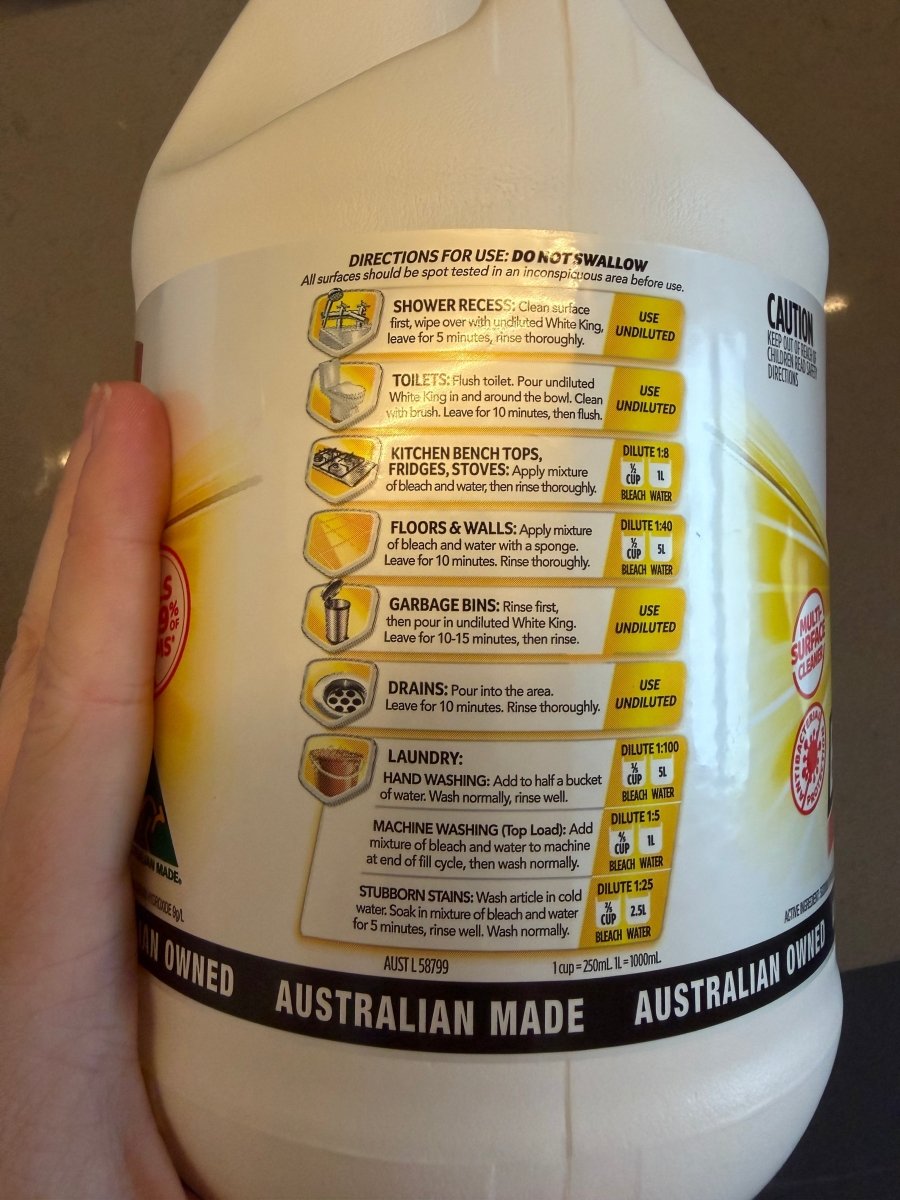
Shells, covers and anything else with TPU or elastic should never go on a 90 degree wash, as high heat can damage the waterproof layer and perish the elastic. Instead, use a short bleach soak at the dilution printed on the back of your bleach bottle: 1 part bleach to 100 parts cool water (1:100), as per White King Guidelines.
In practice, that means 10ml of bleach for every 1 litre of water.

| Container | Water | Bleach |
|---|---|---|
| Small bucket | 5 L | 50 ml |
| Standard bucket | 10 L | 100 ml (about half a cup) |
| Laundry tub | 20 L | 200 ml |
| Bath (shallow fill) | 50 L | 500 ml |
Not sure how much water you have? Fill your container using a jug or bucket of known size and count as you go.
Step by step
- Measure the water. Fill your bucket, tub or bath with enough cool water to fully cover everything.
- Add the bleach. Measure it out at 1:100 and stir it through the water before adding nappies, so no fabric sits in neat bleach.
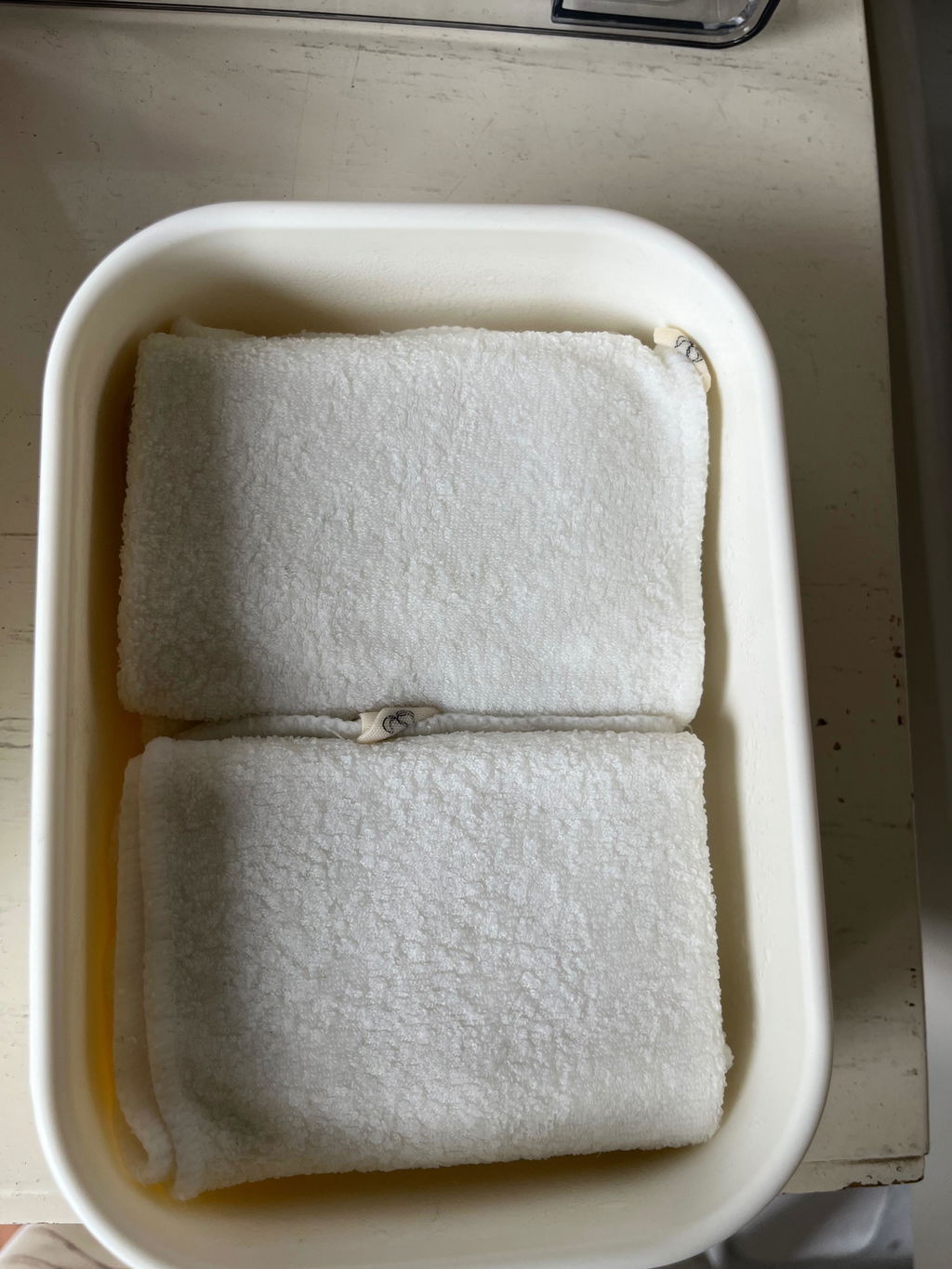
- Submerge. Push everything under so it is completely covered. Unsnap shells so the water reaches every part, and use a clean plate or white towel to hold items down if they float.
- Soak for about 1 hour. Don't leave it longer. Extra time doesn't sanitise better, but it does wear the TPU and elastics.
- Wash. Lift everything out, give it a quick rinse, then run a regular cotton cycle (40 degrees) with a regular dose of detergent. This removes the bleach.
- Dry. Line dry or tumble dry on low heat.
Still smell bleach after washing? A faint smell is fine!
Sanitising your other reusables
The same rule applies to everything: no TPU or elastic means a 90 degree wash, and TPU or elastic means a 1:100 bleach soak.
| Item | Method | Notes |
|---|---|---|
| Inserts, boosters, prefolds, flats | 90 degree wash | Bleach soak if you have a top loader |
| Reusable cloth wipes | 90 degree wash | Wash with your inserts |
| Nappy shells and covers | Bleach soak | Unsnap fully before soaking |
| Reusable swim nappies | Bleach soak | Rinse chlorine or salt water out after every swim |
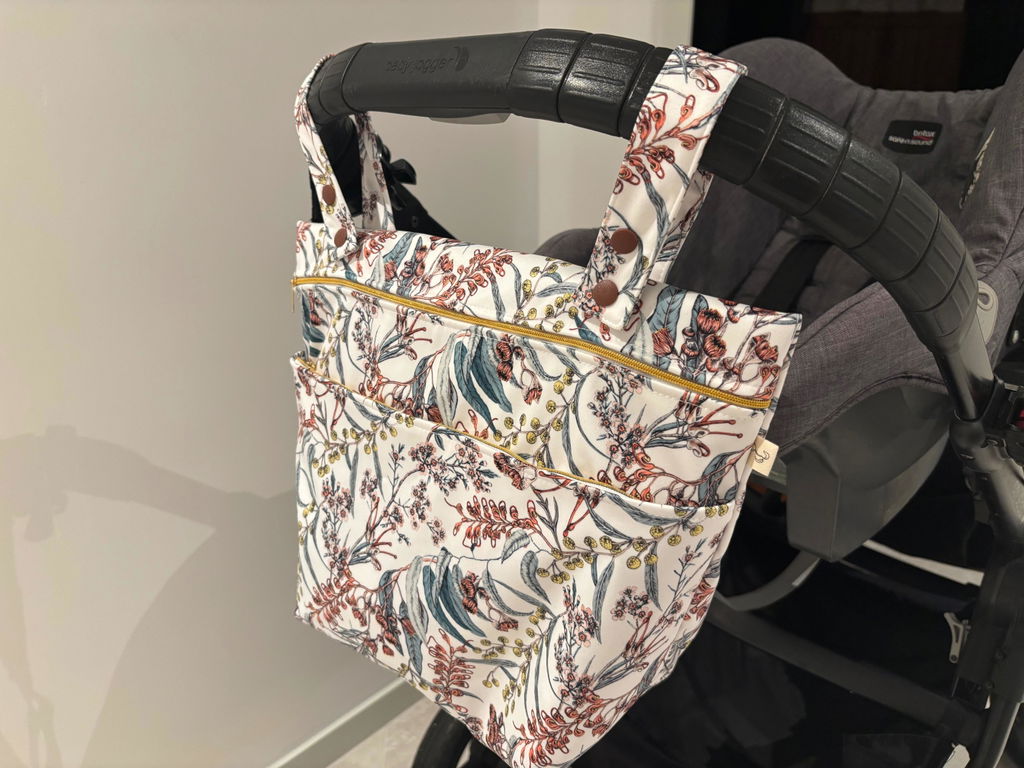
| Wet bags and pod bags | Bleach soak | Turn inside out so the lining is fully covered |
| Toilet training undies (Tiny Transitions™) | Bleach soak | They have a hidden waterproof layer and elastic - note cotton isn't colour-fast and bleach can cause fading |
| Reusable nursing pads | Bleach soak | They have a waterproof layer, so skip the 90 degree wash - note cotton isn't colour-fast and bleach can cause fading |
| Change mats with a waterproof backing | Bleach soak | |
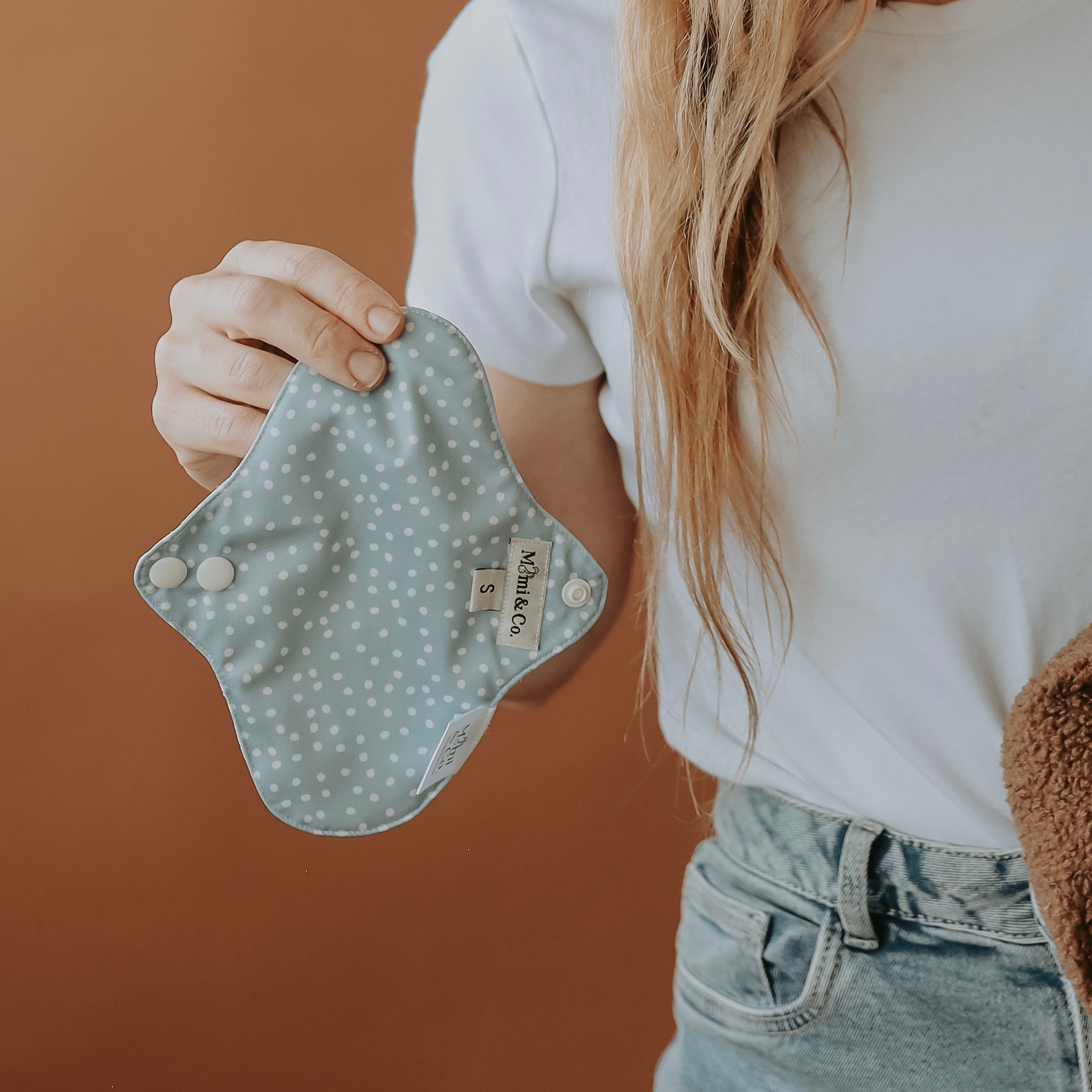
| Reusable period pads and undies | Bleach soak | Follow the care label, as most have a leakproof layer - note cotton isn't colour-fast and bleach can cause fading |
If you're ever unsure what an item is made of, you are welcome to contact us
After sanitising: keeping your stash fresh
Sanitising fixes the problem today, but your wash routine is what stops it coming back. If you've had to sanitise because of ammonia or smells, take a close look at your routine.
- Use an enzyme detergent. Enzymes are what break down wee and poop. Check our detergent index for options, and note that powder and liquid versions of the same brand aren't always the same formula.
- Use a full dose. Under-dosing is one of the most common causes of build-up. Dose for a heavily soiled load, and add a little more if you have hard water.
- Prewash daily. A short prewash every day stops nappies sitting dirty for too long.
- Main wash every 2 to 3 days. Use a long cycle (2 hours or more) at 40 to 60 degrees.
- Don't overload the machine. Your nappies need room to rub against each other to get clean. Aim for about two thirds to three quarters full once wet.
- Skip fabric softener. It coats the fibres and reduces absorbency.
- Dry thoroughly. Never store nappies damp, as this is how mould starts.
If you find yourself needing to sanitise more than once every few months, something in the routine isn't quite right. Get in touch with our team and we'll help you troubleshoot.
Frequently asked questions
How often should I sanitise?
Only when you need to. For most families with a good wash routine, that's rarely or never. Routine bleaching isn't recommended, as it wears out fabrics, TPU and elastics faster.
Can I put my shells in a 90 degree wash?
No. High heat can delaminate the TPU waterproof layer and perish the elastics. Always use the bleach soak for shells.
Can I use more bleach to make it work better?
No. Stick to the 1:100 ratio on the bottle. A stronger mix won't sanitise any better, but it will damage your nappies and is harder to rinse out.
Can I soak overnight?
No. About 1 hour is all you need. Longer soaks put unnecessary stress on TPU and elastics.
Can I use a natural alternative like vinegar or tea tree oil?
We don't recommend these for sanitising. Vinegar doesn't reliably kill bacteria or yeast and can perish elastics, and essential oils can irritate baby's skin. Never mix vinegar with bleach.
Will bleach fade my prints?
At the correct dilution and soak time, any fading should be minimal. Rinsing well and washing straight after the soak helps.
My baby still has a rash after sanitising. What now?
Check in with your GP or child health nurse, as not every rash is caused by nappies. You're also welcome to contact us with your wash routine and detergent, and we'll help you work out what's going on.
Still have questions? Our team is always happy to help. Get in touch with us anytime and we'll make sure your stash is back to fresh and happy.

Leave a comment
All comments are moderated before being published.
This site is protected by hCaptcha and the hCaptcha Privacy Policy and Terms of Service apply.