
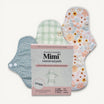
![Swim Nappy Bundle [Ship Oct 5 - 10] - Mimi & Co](http://mimiandco.com.au/cdn/shop/files/swim-nappy-bundle-ship-oct-5-10-5796576.jpg?v=1770171125)

![Toilet Training Undies Pants [Jan Preorder] - Mimi & Co](http://mimiandco.com.au/cdn/shop/files/toilet-training-undies-pants-jan-preorder-6316642.jpg?v=1766216229&width=1200)


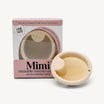
![Reusable Bamboo Mimi™ Wipes [5 Pack] - Mimi & Co](http://mimiandco.com.au/cdn/shop/files/reusable-bamboo-mimi-wipes-5-pack-7600782.jpg?v=1773649075)


![Reusable Mimi® Menstrual Underwear [Shipping 31/9] - Mimi & Co](http://mimiandco.com.au/cdn/shop/files/reusable-mimi-menstrual-underwear-shipping-319-6508918.png?v=1776734572)

![Toilet Training Undies Pants 2.0 | Baby Duck [Ships September] - Mimi & Co](http://mimiandco.com.au/cdn/shop/files/toilet-training-undies-pants-20-baby-duck-ships-september-9296055.png?v=1784808614&width=104)




![Travel Bamboo Change Mat [Ships March 14th] - Mimi & Co](http://mimiandco.com.au/cdn/shop/files/travel-bamboo-change-mat-ships-march-14th-1490896.jpg?v=1769606287&width=104)


![Reusable Bamboo Mimi™ Wipes [10 Pack] - Mimi & Co](http://mimiandco.com.au/cdn/shop/files/reusable-bamboo-mimi-wipes-10-pack-2507756.jpg?v=1773666247&width=104)
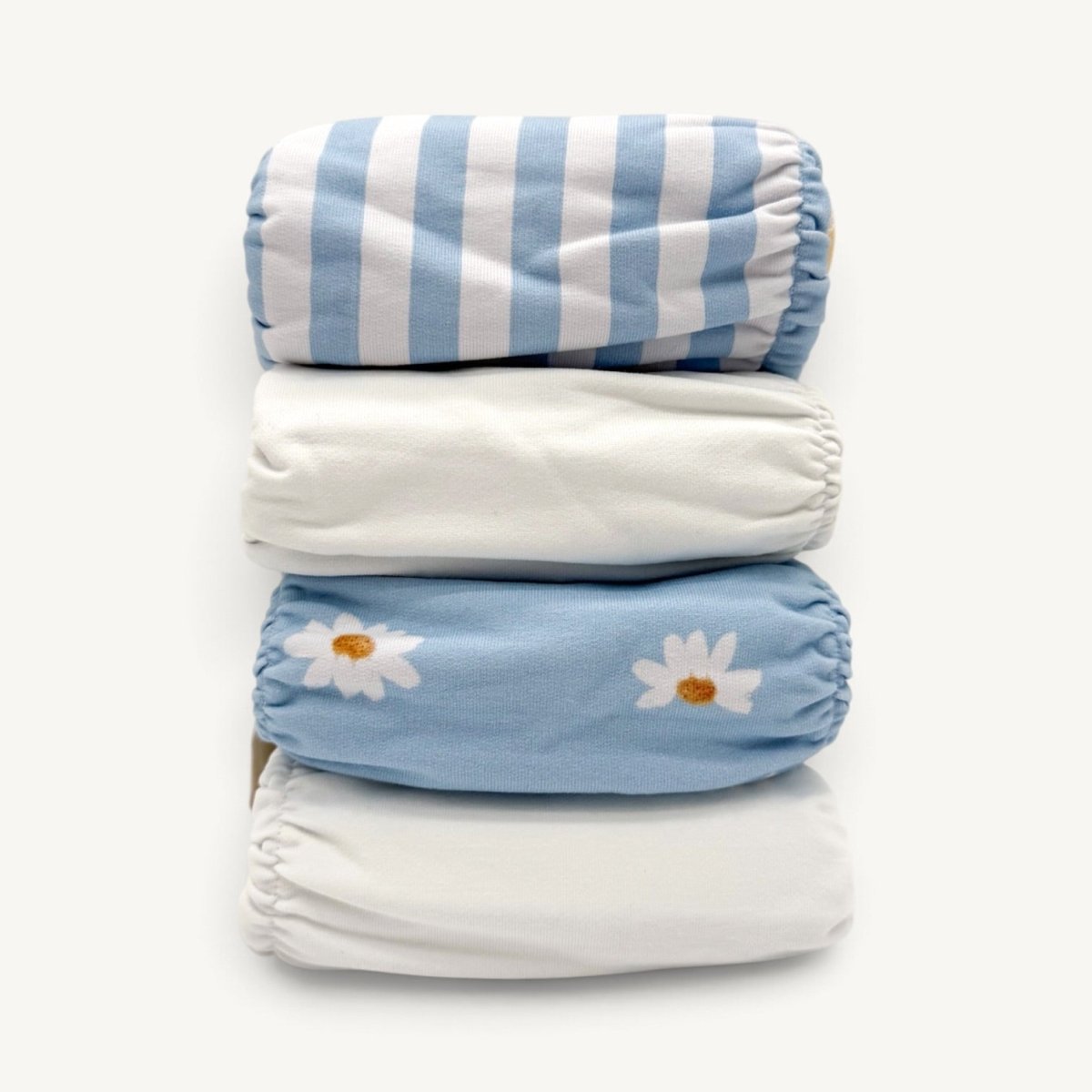
A lovely mum got in touch with us recently. Her little girl is almost six months old, she wants to cut down on waste and spending, and when she looked at our range she felt a bit overwhelmed. Then she asked us six brilliant questions.
If you are standing in the same spot, this one is for you. Here are honest answers to every one of them.
1. Will cloth nappies help us spend less in the long run?
For most families, yes. The trick is that you pay up front instead of every week.
Here are the numbers. The average baby goes through around 7,000 disposable nappies before toilet training, and about 3,000 of those in the first year alone. Disposables cost an average of 50 cents each, and up to $1.50 for some brands.
- At 50 cents a nappy, 7,000 nappies is around $3,500.
- At $1.50 a nappy, that climbs to around $10,500.
And that is before you count disposable wipes.
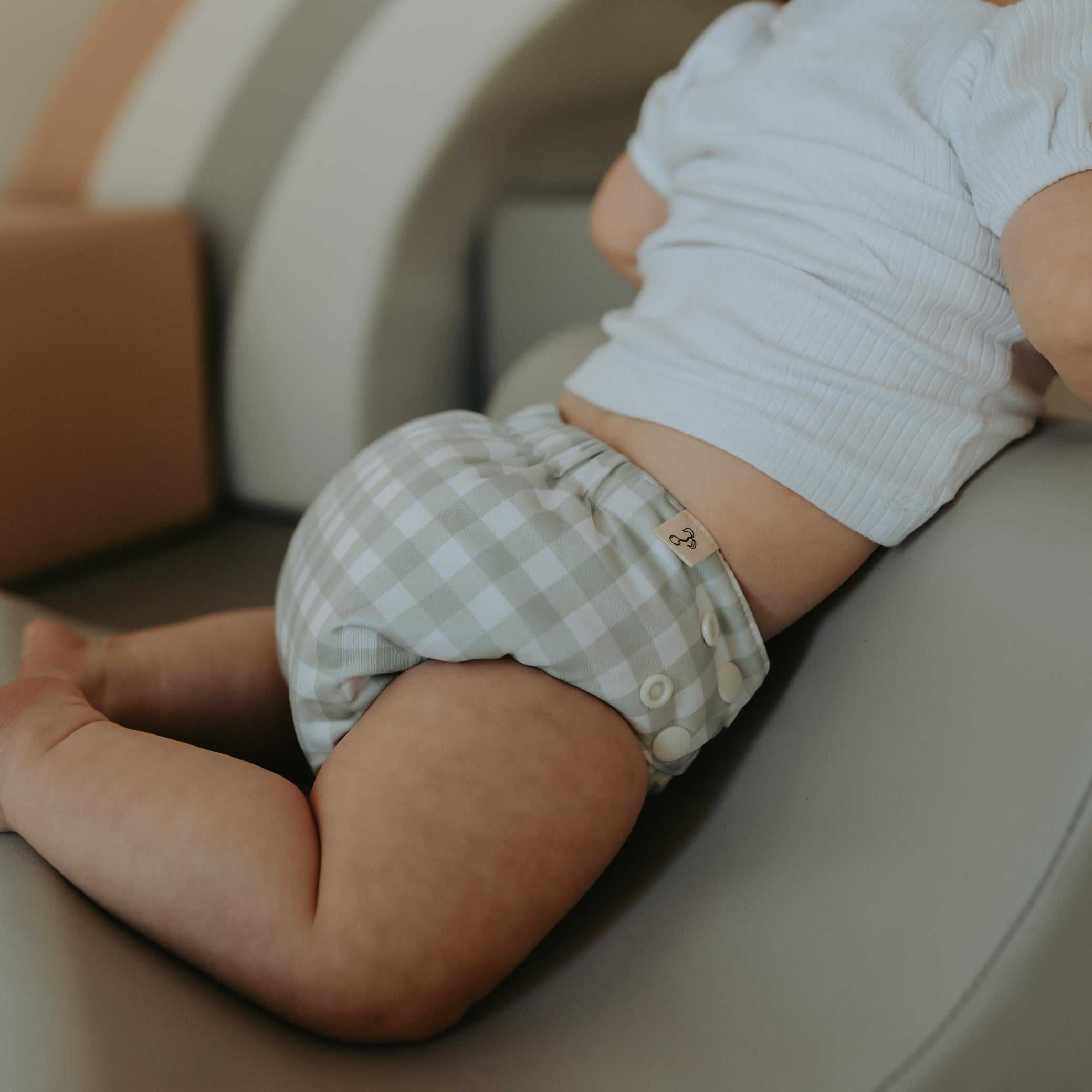
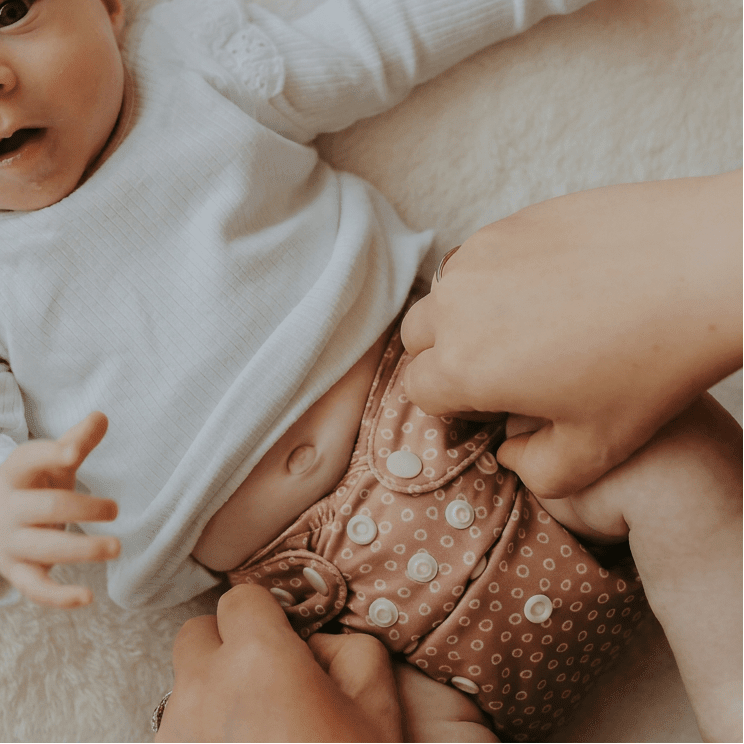
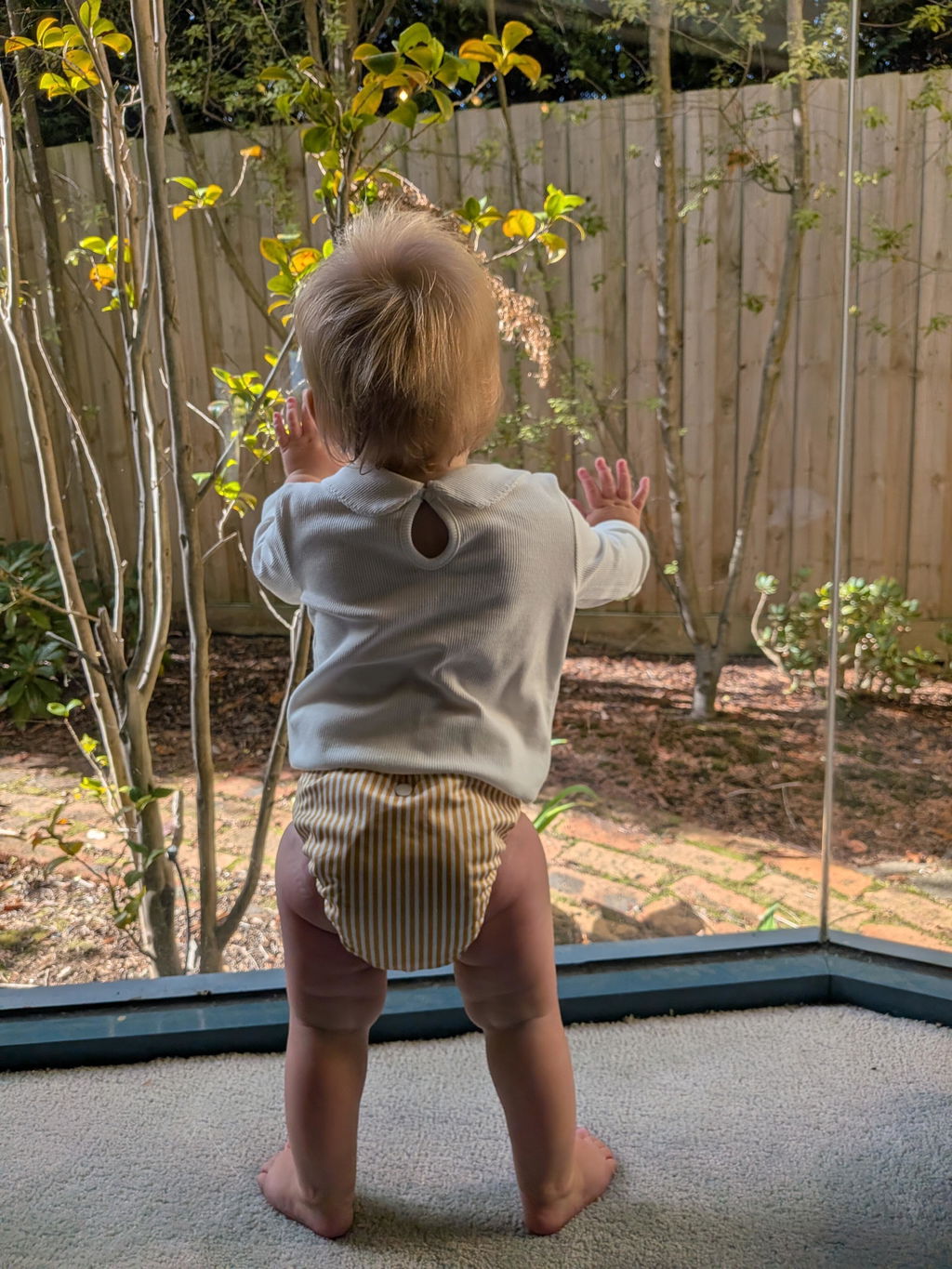
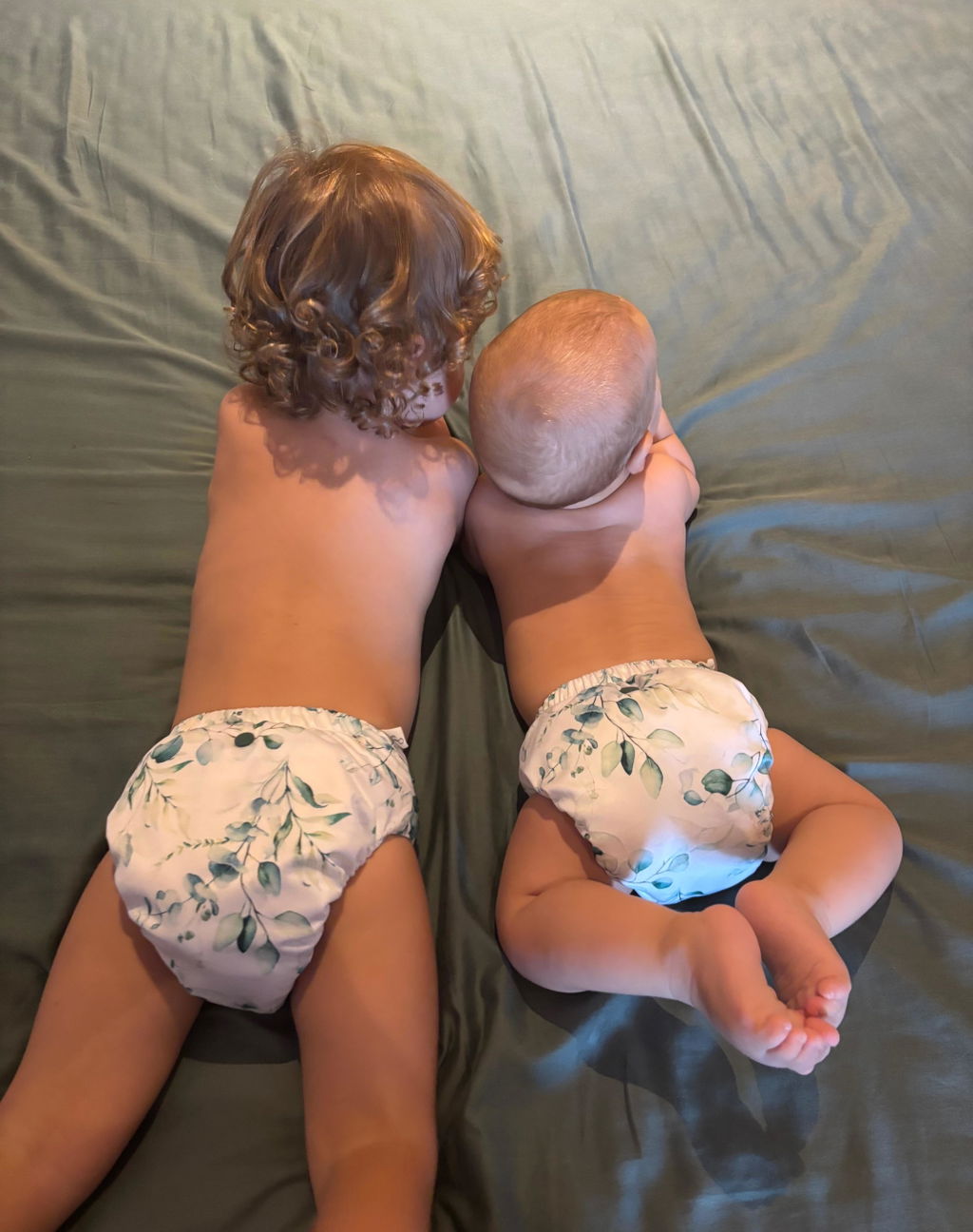
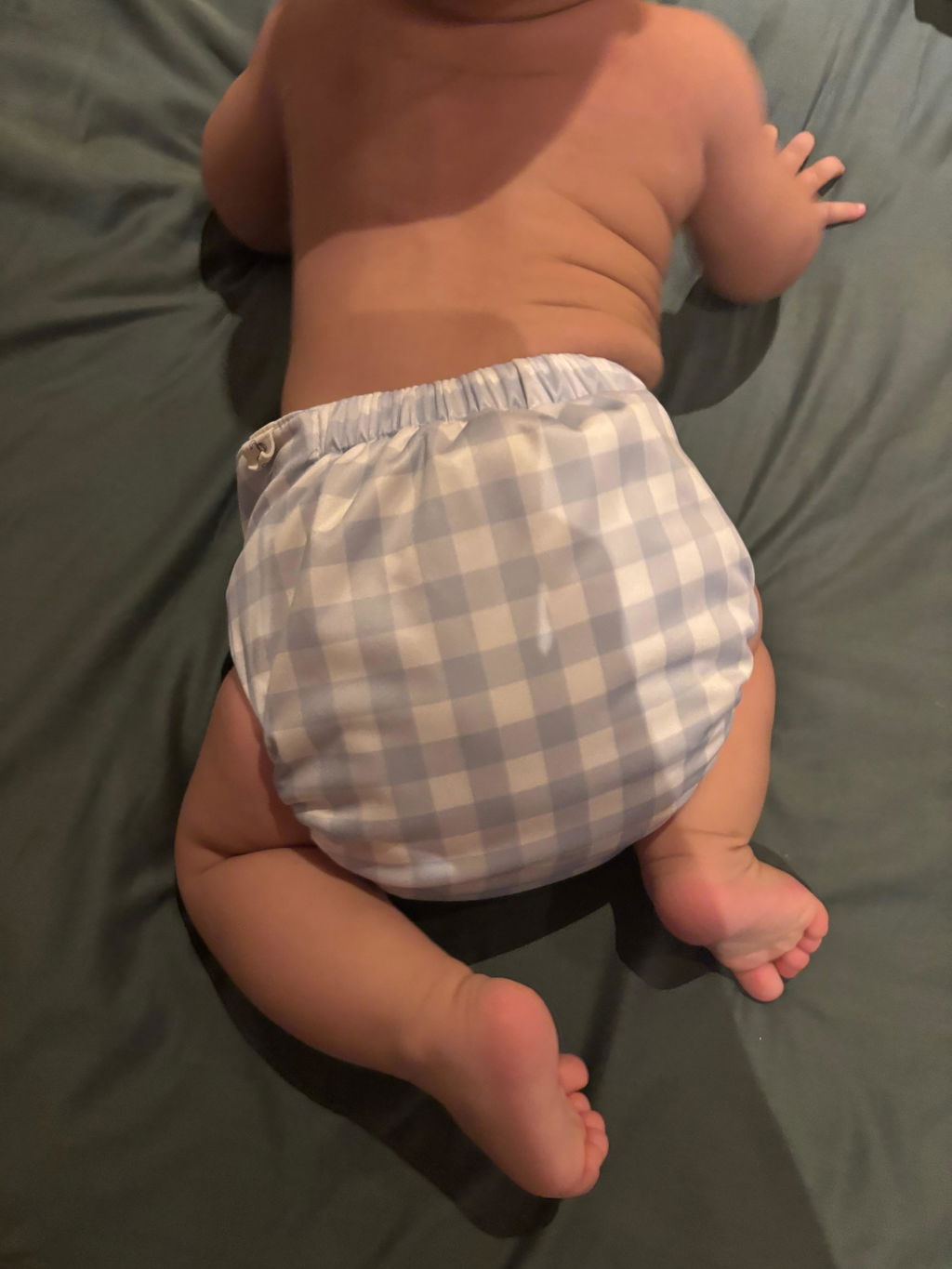
Compare that with cloth. Our Mimi® 2.0 Cloth Nappies are One Size Fits More, adjusting from 2.5kg to 20kg, so the same nappies grow with your baby right up to toilet training. Even at full price, a full time stash of 24 to 36 nappies with inserts costs well under what you would spend on disposables. It is a one-off purchase, and the only ongoing cost is washing. When you are done, they can be used for a younger sibling or passed on, which is where the savings really stack up.
A few honest notes:
- Starting at six months means you save a little less than starting from birth, because you have already been through some of that busy first year. But with around 4,000 nappies still to go after the first birthday alone, there is plenty of nappy time ahead to make the switch worthwhile.
- You do not have to go all in. Even a part time stash of 6 to 12 nappies used during the day cuts what you spend on disposables.
- Reusable wipes are the easiest win of all. A pack of cloth wipes replaces box after box of disposables, and they go straight in the wash with your nappies.
2. Do cloth nappies help toddlers toilet train earlier or more easily?
Lots of cloth families tell us their children toilet trained a little sooner, and there is a sensible reason why. Disposable nappies use gels that pull moisture away so quickly that many toddlers never really notice they are wet. In cloth, little ones are more aware of that wet feeling, and that awareness is a big part of learning to use the toilet.
We will be straight with you though: every child is different, and no nappy can promise an earlier finish line. What cloth does give you is more tools to help when your toddler shows they are ready. We designed a simple three step system for exactly this:
- Step 1: Your Mimi® 2.0 Nappy, with a twist. Pop the insert on top of the pocket instead of inside it. Your toddler feels wet through our WetAware® function, while the nappy still works as a nappy.
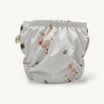
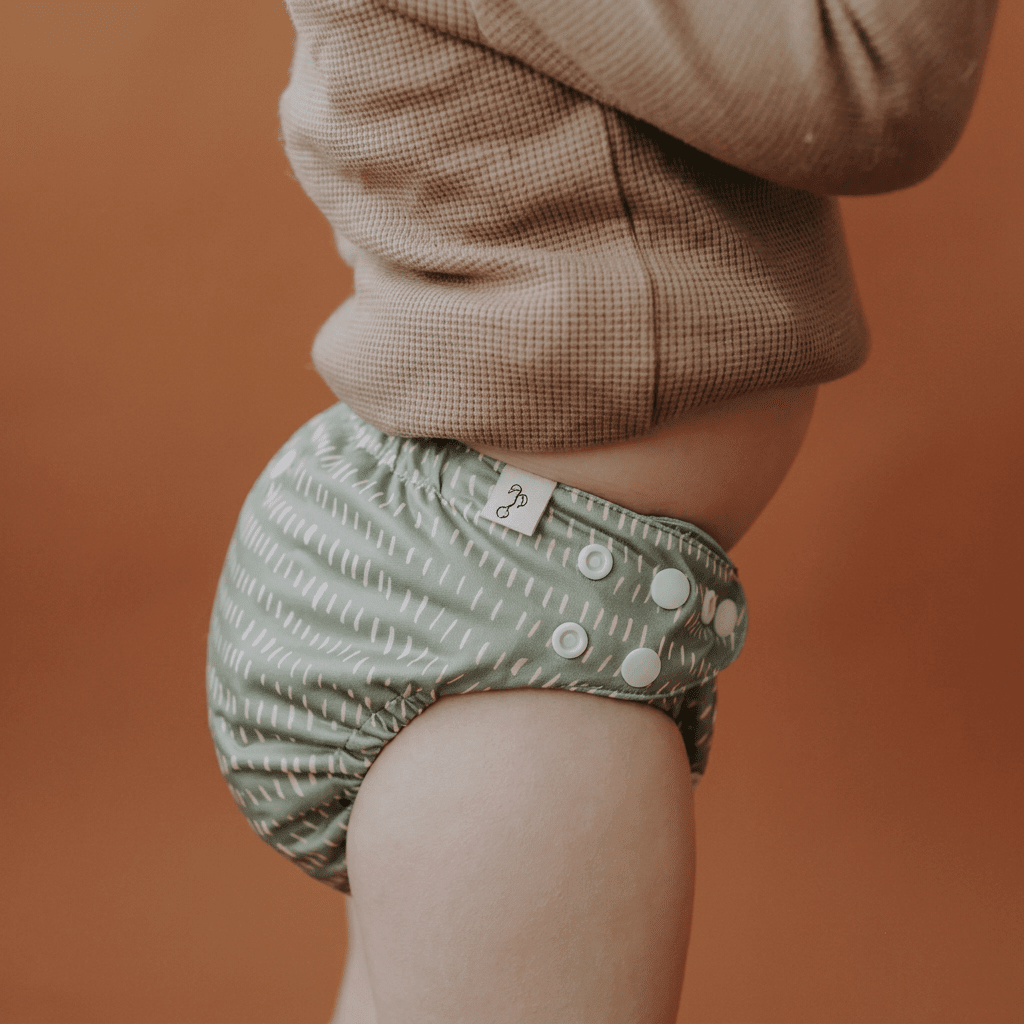
- Step 2: Training undies. Our Tiny Transitions™ training undies look and feel like real undies, with WetAware® cotton built in, light absorbency for small leaks and a hidden waterproof layer. They snap at the sides, so changes are quick.
- Step 3: Regular undies. The big kid moment.
3. If I buy Mimi & Co, what would I actually need?
This is where most people feel overwhelmed, so here is the short version. You need four things.
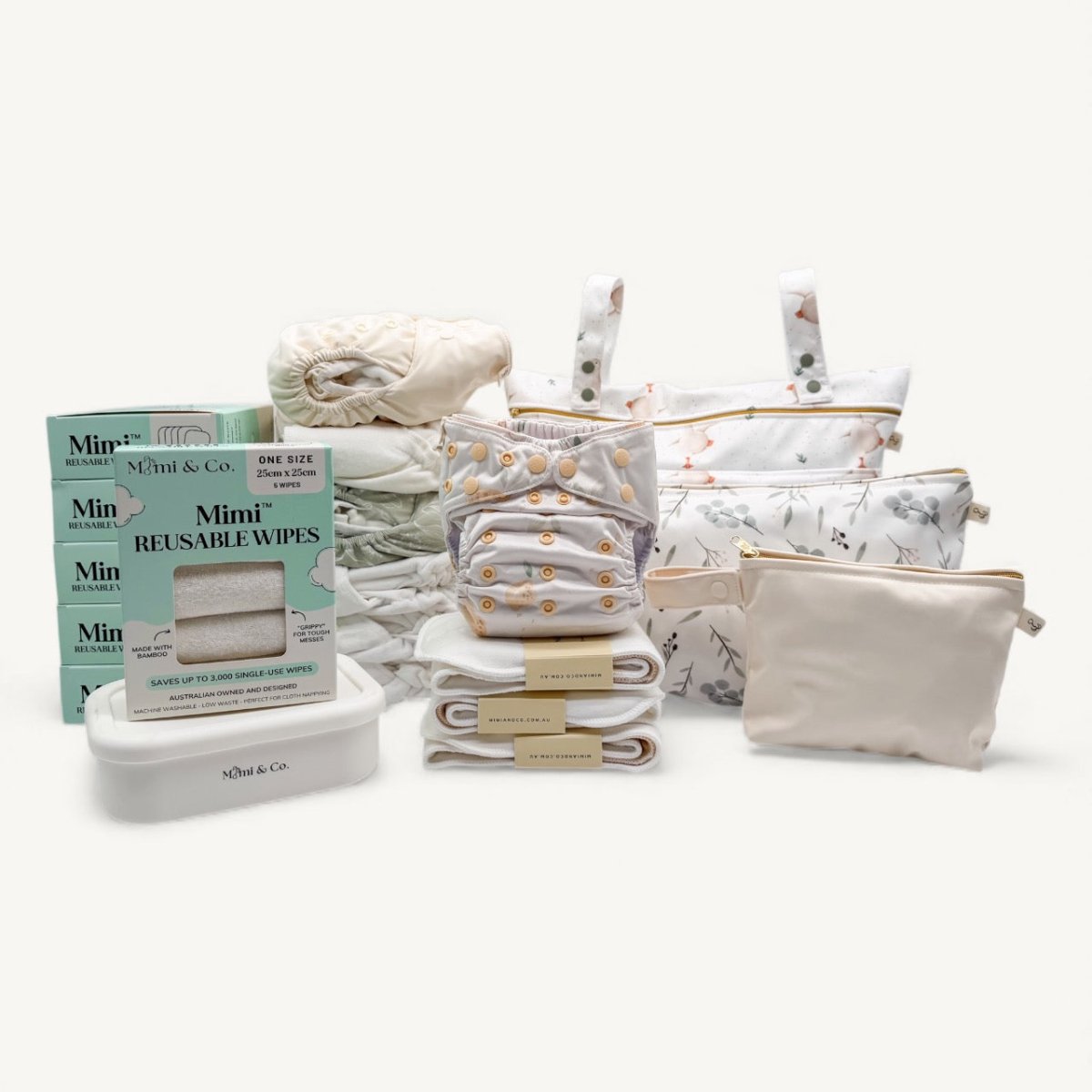
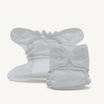
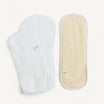
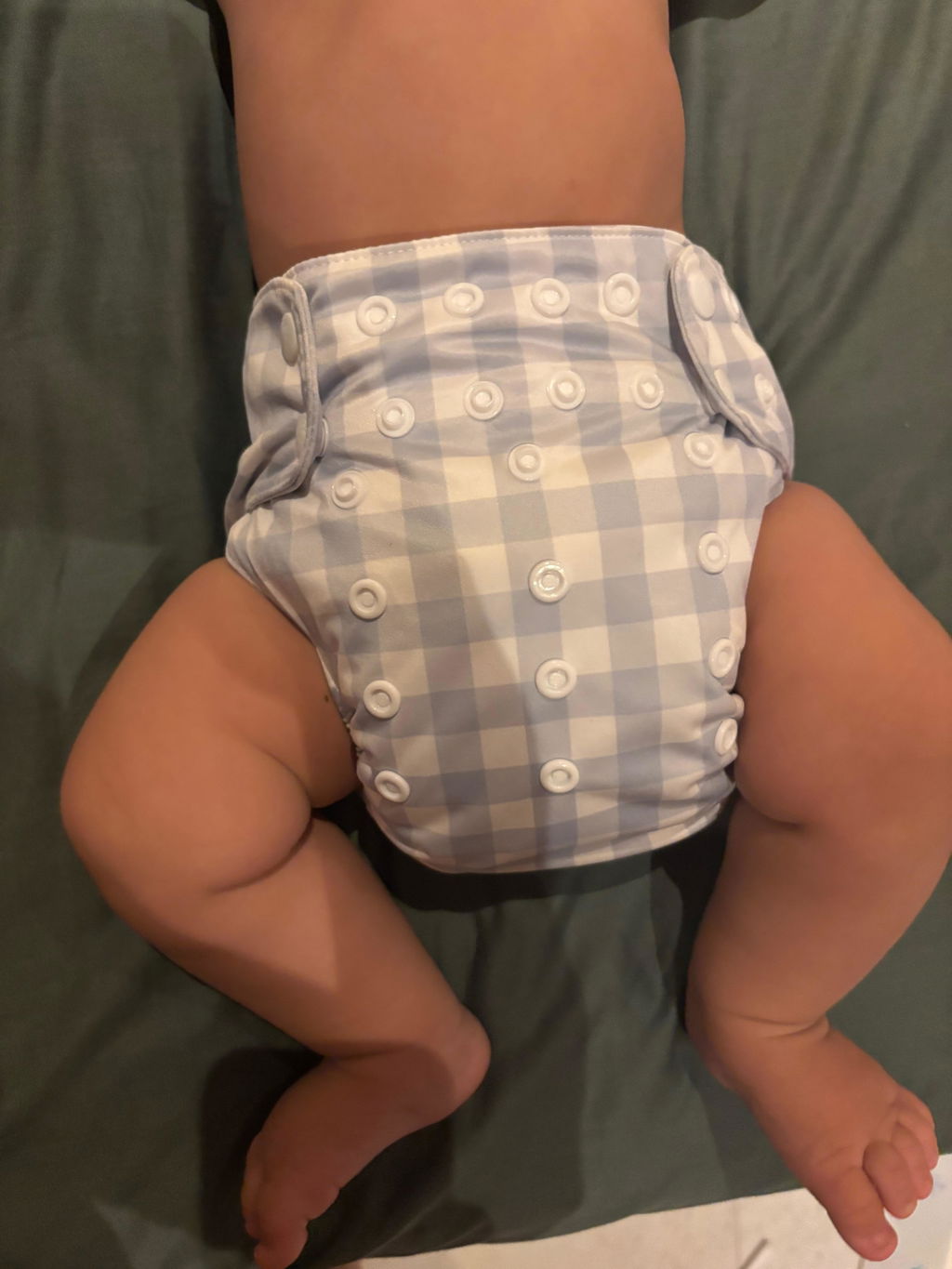
- Nappies with inserts. For full time cloth, you will need 24 to 36 nappies. Each Mimi® 2.0 Nappy is a pocket nappy that comes with absorbent inserts.
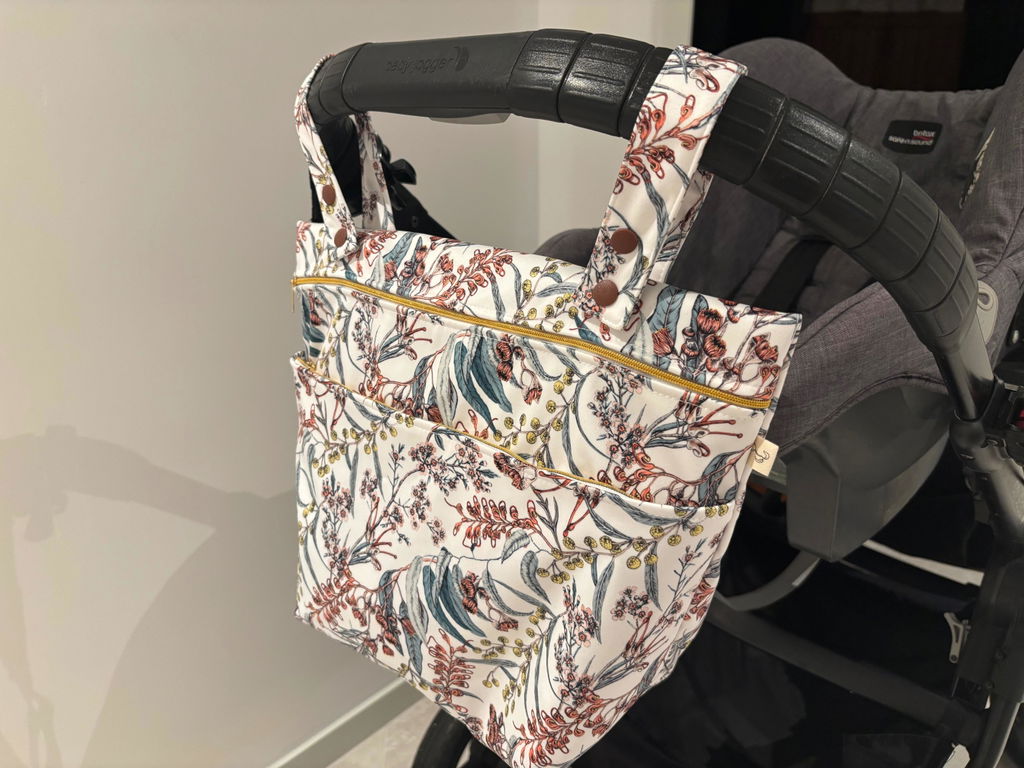
- Somewhere to put dirty nappies. A large wet bag at home and a medium wet bag in the nappy bag cover most families.
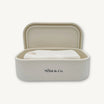
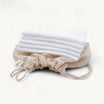
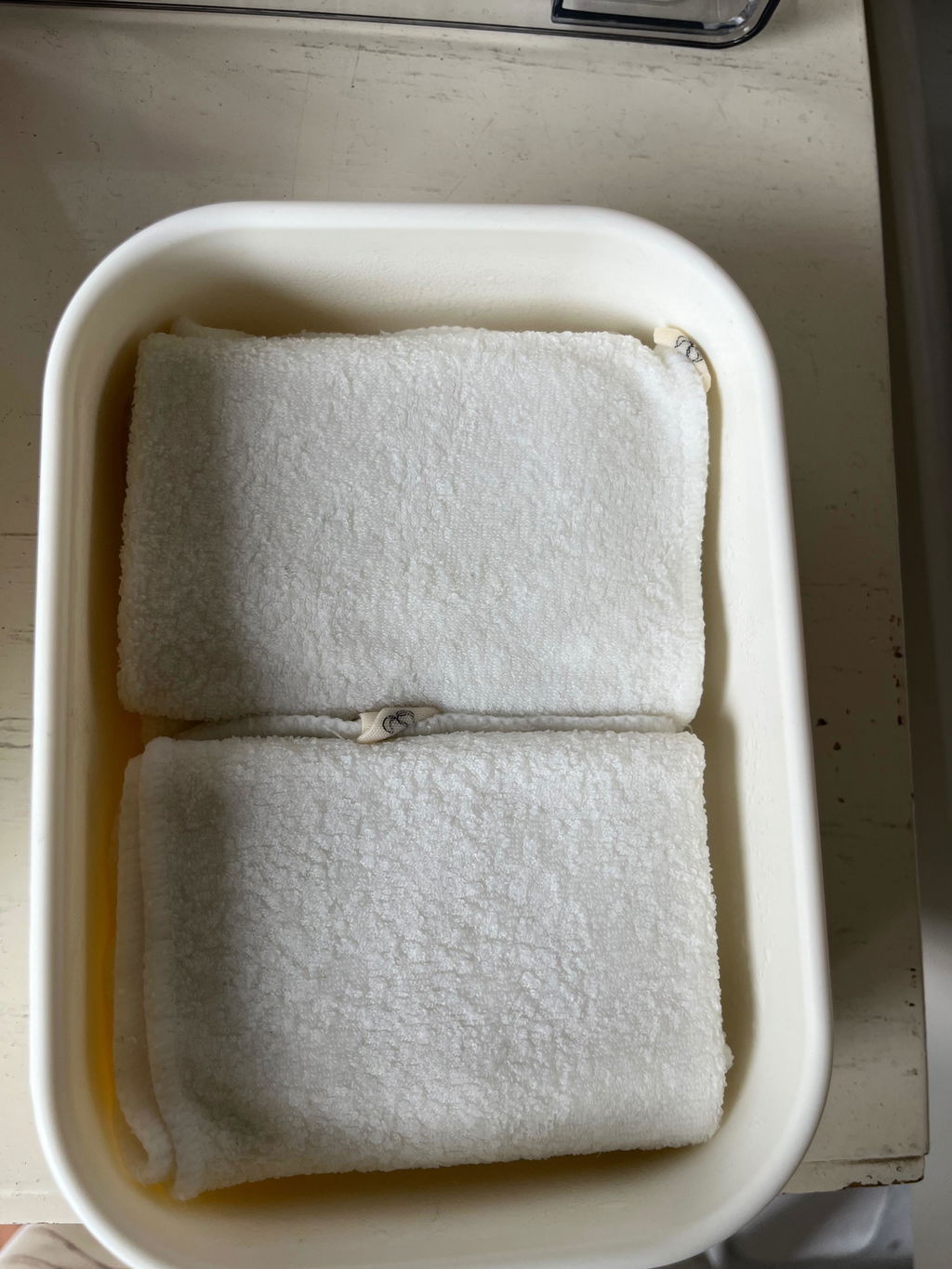
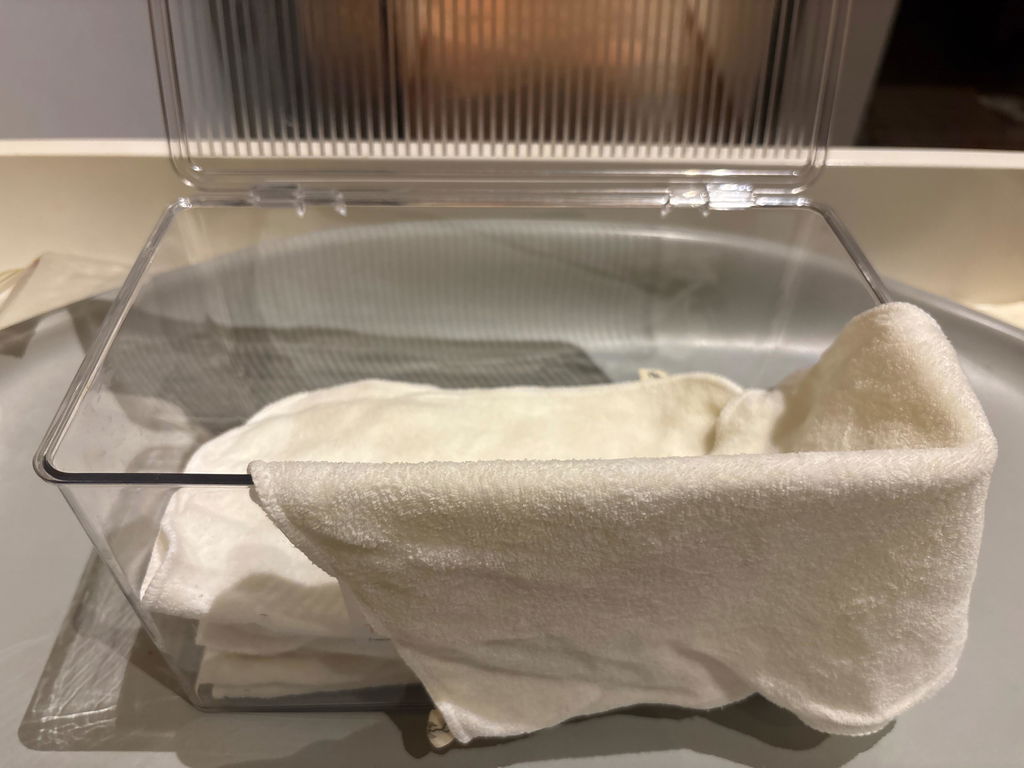
- Reusable wipes. Around 20 to 30 wipes is a comfortable number. Just wet them with water. Our bamboo wipes are soft, thick and extra large, and a wipes container keeps damp wipes ready to go when you are out.
- A good detergent and a simple wash routine. A pre-wash to rinse things out, then a long main wash with a proper amount of a good quality detergent. That is really all there is to it.
If your baby is a heavy wetter at night, you can add night nappies later. Many families start with cloth during the day and add nights once they feel confident.
Not ready to commit? Start small:
- Trial Mimi® Cloth Nappy: one nappy at a big discount, so you can check the fit on your baby.
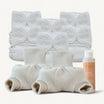
- Get Started Bundle: 5 nappies with inserts, bamboo wipes and wet bags. Enough to use cloth part time and learn the routine.
- Day & Night Trial Bundle: try a few different styles to find your perfect fit.
4. What are the benefits of cloth nappies and reusable wipes?
- Less money over time. One purchase that lasts through to toilet training, and often beyond.
- Less waste. Up to 7,000 fewer disposable nappies heading to landfill for every baby, and the same goes for every wipe.
- No more late night dashes to the shops. You never run out of nappies or wipes. They are always in the wash or in the drawer.
- Better wipes. Cloth wipes are bigger and thicker than disposables, so you usually need just one or two per change, even for the big ones.
- Toilet training support. As above, cloth helps little ones learn what wet feels like.
- They are just plain cute. Choosing a print each morning is a small joy nobody warns you about.
5. Are they made from things that are good for delicate baby skin?
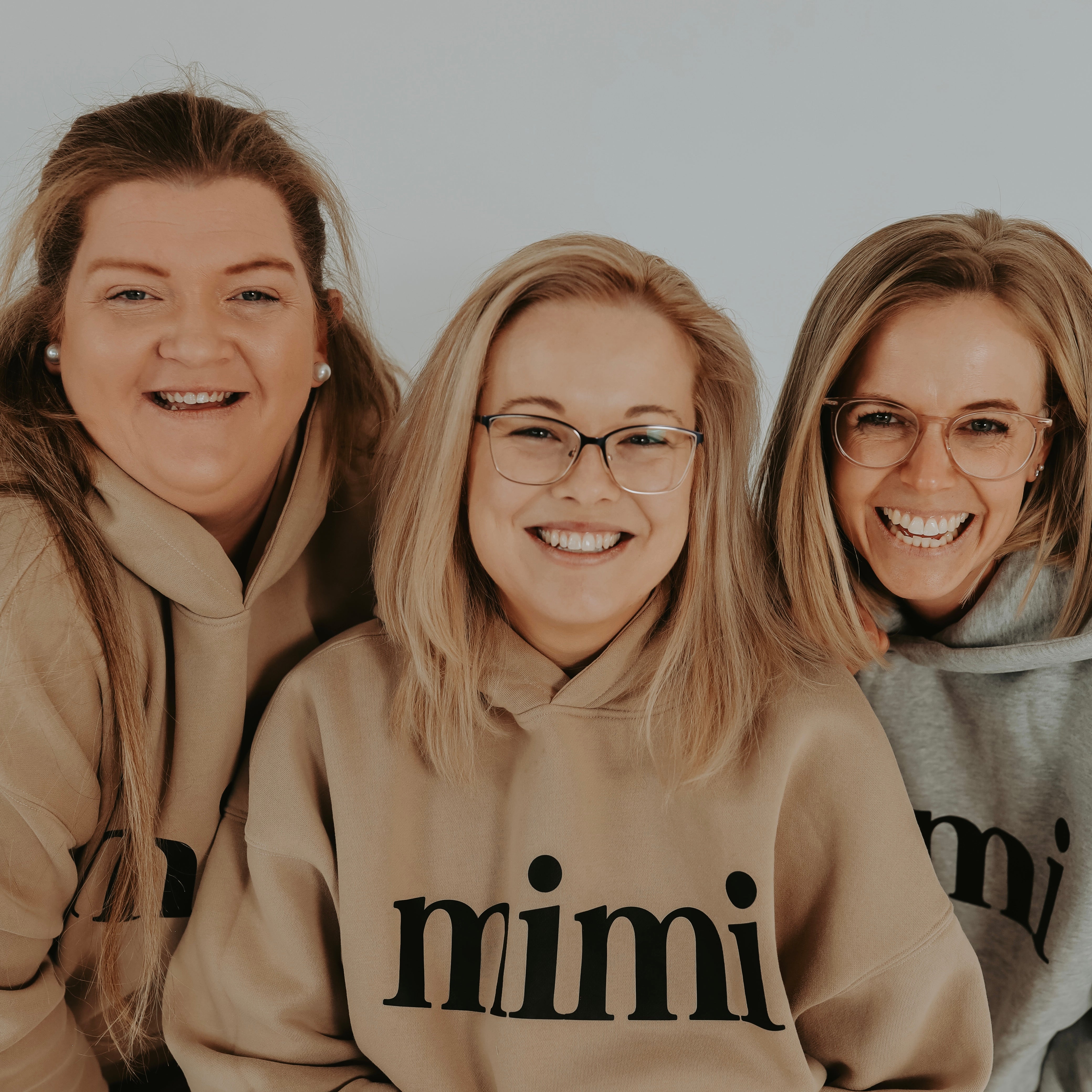
This one matters to us more than anything. I started Mimi & Co after my son was born small and nothing on the market fit him properly, so comfort and fit have been at the heart of every product since.
- Natural fibre inserts. Our inserts come in bamboo, bamboo cotton and hemp cotton. These are soft, breathable fibres that hold a lot of liquid. Our natural inserts contain 0% polyester.
- Soft bamboo wipes. Our bamboo terry wipes are gentle and only need water, so there is nothing extra sitting on your baby's skin.
- Options for sensitive skin. If you want zero synthetics near your baby, our 0% Poly Club™ range is made entirely from natural fibres, including organic cotton liners and a raw silk liner designed for sore, red bottoms.
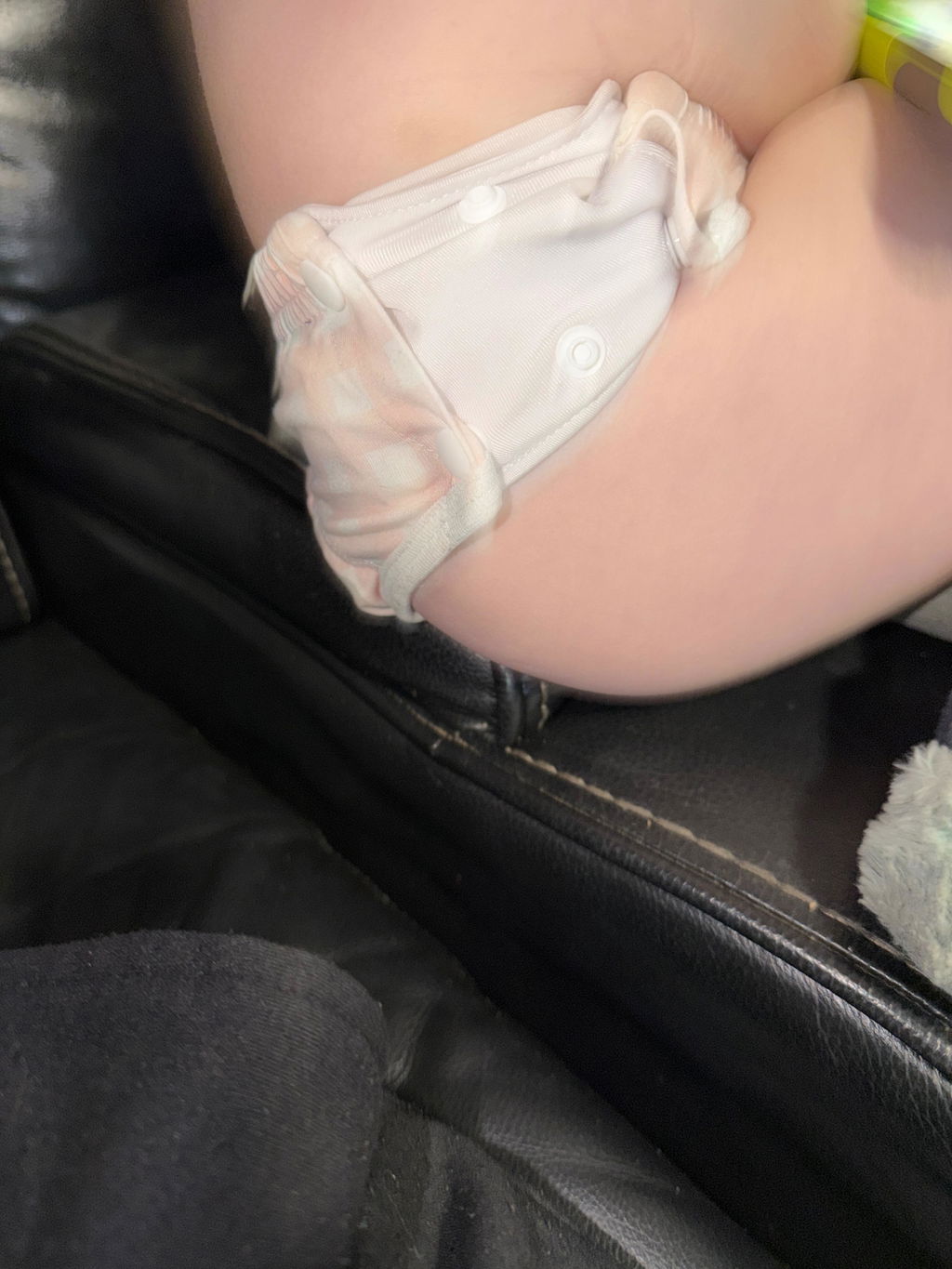
- A fit that suits your baby. Snug at the legs and comfortable at the waist. Light marks, like the ones socks leave, are normal. Marks that break the skin or last for hours mean the fit needs adjusting, and our team is always happy to help you get it right.
A quick tip on nappy creams: zinc based creams can build up on cloth nappies. If you love your zinc cream, pop a disposable liner in the nappy to protect it.
6. Where do I start?
Start with whatever feels manageable. One trial nappy, a pack of wipes, or a starter bundle. You do not need to get it perfect on day one, and every cloth change counts.
We have helped more than 50,000 Australian families make the switch, and our team is here to help you too. If you are stuck on fit, washing or how many nappies you need, send us a message and we will help you build a stash that suits your baby, your budget and your washing machine.

Leave a comment
All comments are moderated before being published.
This site is protected by hCaptcha and the hCaptcha Privacy Policy and Terms of Service apply.