
![Swim Nappy Bundle [Ship Oct 5 - 10] - Mimi & Co](http://mimiandco.com.au/cdn/shop/files/swim-nappy-bundle-ship-oct-5-10-5796576.jpg?v=1770171125)

![Toilet Training Undies Pants [Jan Preorder] - Mimi & Co](http://mimiandco.com.au/cdn/shop/files/toilet-training-undies-pants-jan-preorder-6316642.jpg?v=1766216229&width=1200)


![Reusable Bamboo Mimi™ Wipes [5 Pack] - Mimi & Co](http://mimiandco.com.au/cdn/shop/files/reusable-bamboo-mimi-wipes-5-pack-7600782.jpg?v=1773649075)


![Reusable Mimi® Menstrual Underwear [Shipping 31/9] - Mimi & Co](http://mimiandco.com.au/cdn/shop/files/reusable-mimi-menstrual-underwear-shipping-319-6508918.png?v=1776734572)

![Tiny Transitions™ Training Undies [January Preorder] - Mimi & Co](http://mimiandco.com.au/cdn/shop/files/tiny-transitions-training-undies-january-preorder-9963304.jpg?v=1768434261&width=104)


![Travel Bamboo Change Mat [Ships March 14th] - Mimi & Co](http://mimiandco.com.au/cdn/shop/files/travel-bamboo-change-mat-ships-march-14th-1490896.jpg?v=1769606287&width=104)


![Reusable Bamboo Mimi™ Wipes [10 Pack] - Mimi & Co](http://mimiandco.com.au/cdn/shop/files/reusable-bamboo-mimi-wipes-10-pack-2507756.jpg?v=1773666247&width=104)
Every nappy your baby has ever worn still exists. Here's why that matters, and what you can do about it.
Picture the first nappy you ever put on your baby.
Chances are you didn't read the ingredients. Nobody does. There aren't any on the packet.
But if there were, here's what you'd find: polypropylene, polyethylene, polyester, sodium polyacrylate, dioxins, fragrances. The average disposable nappy is plastic. It is, by weight and by material, a single-use plastic product. We just don't talk about it that way.
We talk about plastic straws. We talk about plastic bags. We switched to keep cups and bamboo toothbrushes and glass food containers. But the thing we put against our baby's skin for 24 hours a day, for two and a half years, mostly gets a pass.
That's worth looking at.
What microplastics have to do with your baby's nappy
Microplastics are exactly what they sound like: fragments of plastic so small you can't see them. They're produced when plastic materials break down, through UV exposure, friction, and time. They've been found in the deepest ocean trenches, in Antarctic ice, on the summit of Mount Everest, and in human blood, lungs, breastmilk, and the placenta.
They've also been found in babies. In high quantities.
A study published in Environmental Science and Technology Letters collected stool samples from one-year-olds and found that infants carried around ten times more microplastics than adults. Researchers believe this is because of the sheer amount of plastic in constant close contact with babies' bodies.
Disposable nappies are worn around the clock. As a baby moves, the plastic fibres experience constant friction against some of the most sensitive and permeable skin on earth. It doesn't take a forensic scientist to follow the logic from there.
The timeline nobody talks about
Disposable nappies went to mass market in the late 1950s and early 60s. This is also, not coincidentally, when scientists began tracking a sharp rise in plastic pollution in marine environments. A Penn State University study, one of the first to track microplastic levels in freshwater sediment over time, found concentrations rising in direct line with global plastic production since the 1950s.
A Cornell University study found that human microplastic consumption has risen sixfold since 1990 alone.
Every generation born since the disposable nappy became the default has been born into more plastic than the one before it.
That's not a guilt trip. It's just a fact worth sitting with.
What happens to a nappy that's been thrown away
A disposable nappy takes up to 500 years to decompose. Australia disposes of around 3.75 million of them every single day.
When they do eventually break down, they don't disappear. They fragment into microplastics that move into soil, waterways, marine ecosystems, and food chains. Researchers have found plastic fibres from nappies in the stomachs of fish in Indonesian rivers. Scientists have found them in coral reef systems. They've been detected in the food we eat and the water we drink.
Every nappy ever used still exists somewhere.
That number only grows while disposables remain the default.
So what's the alternative?
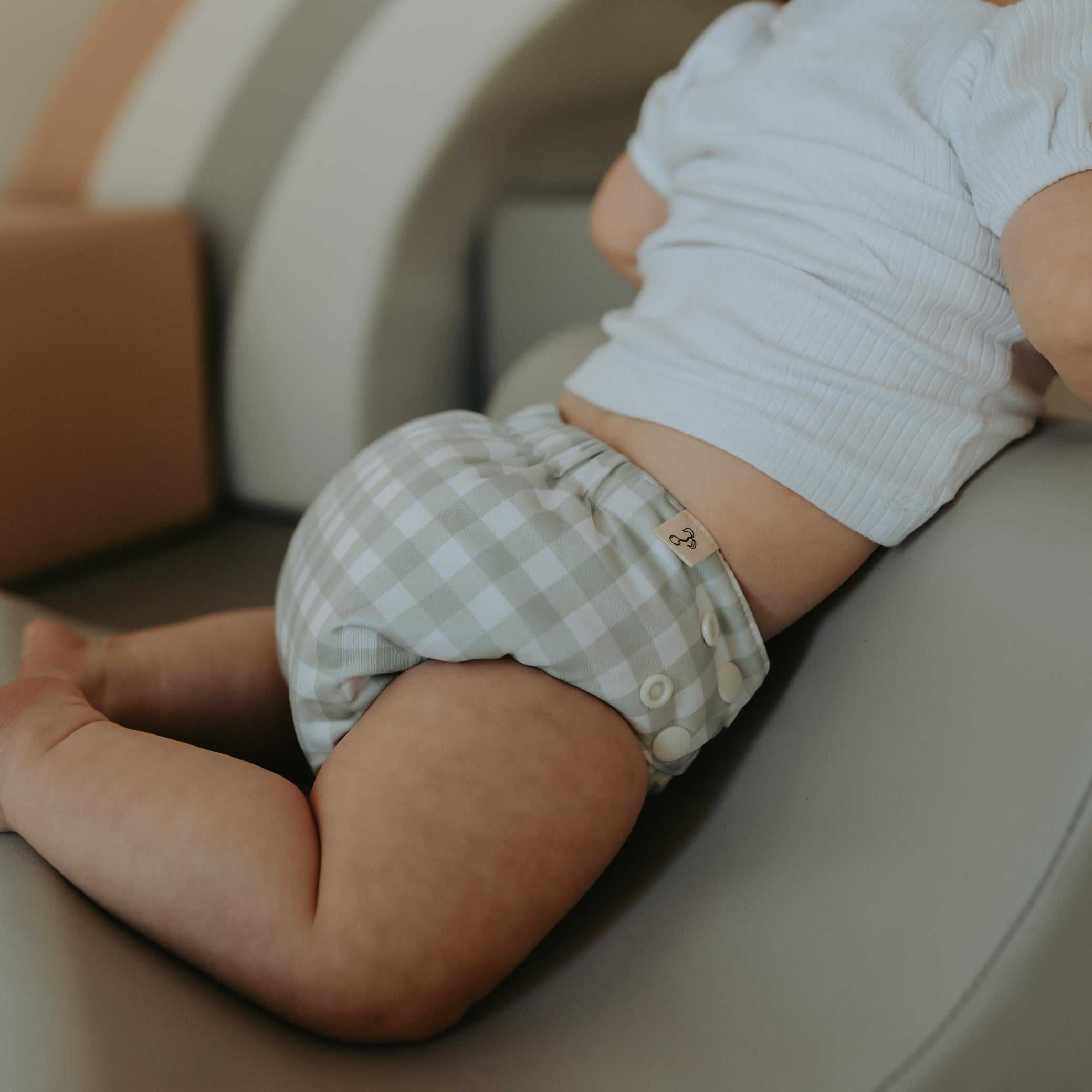
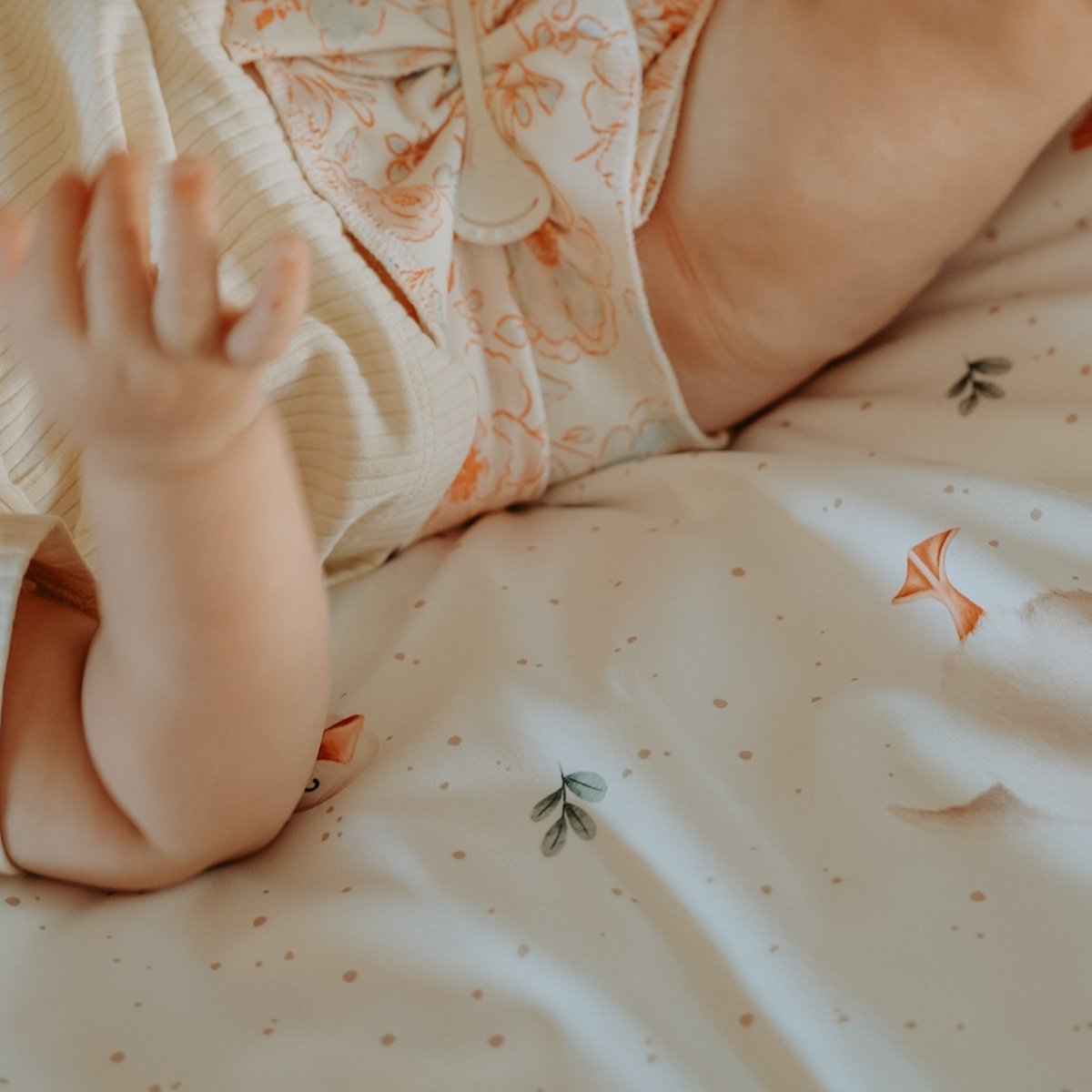
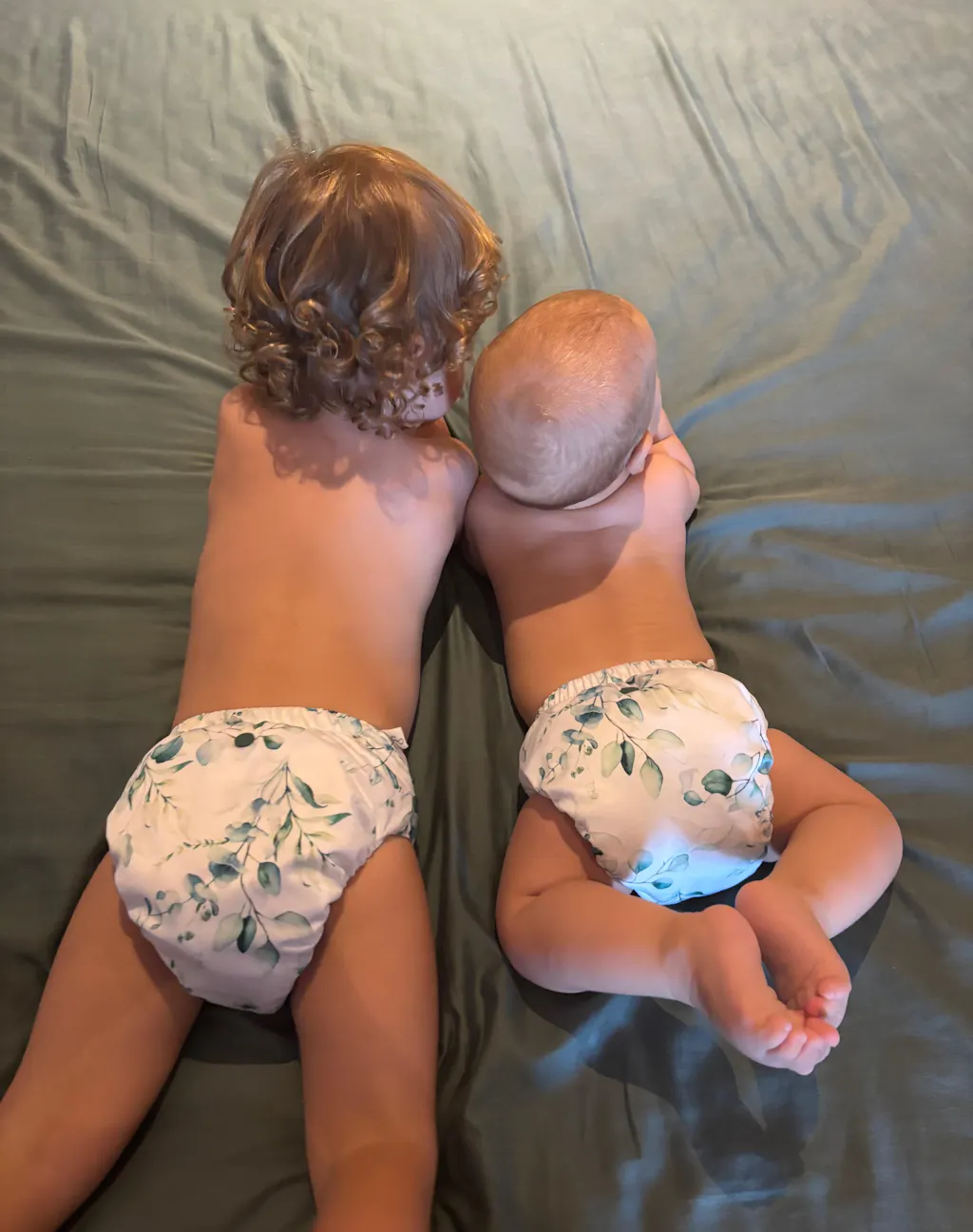
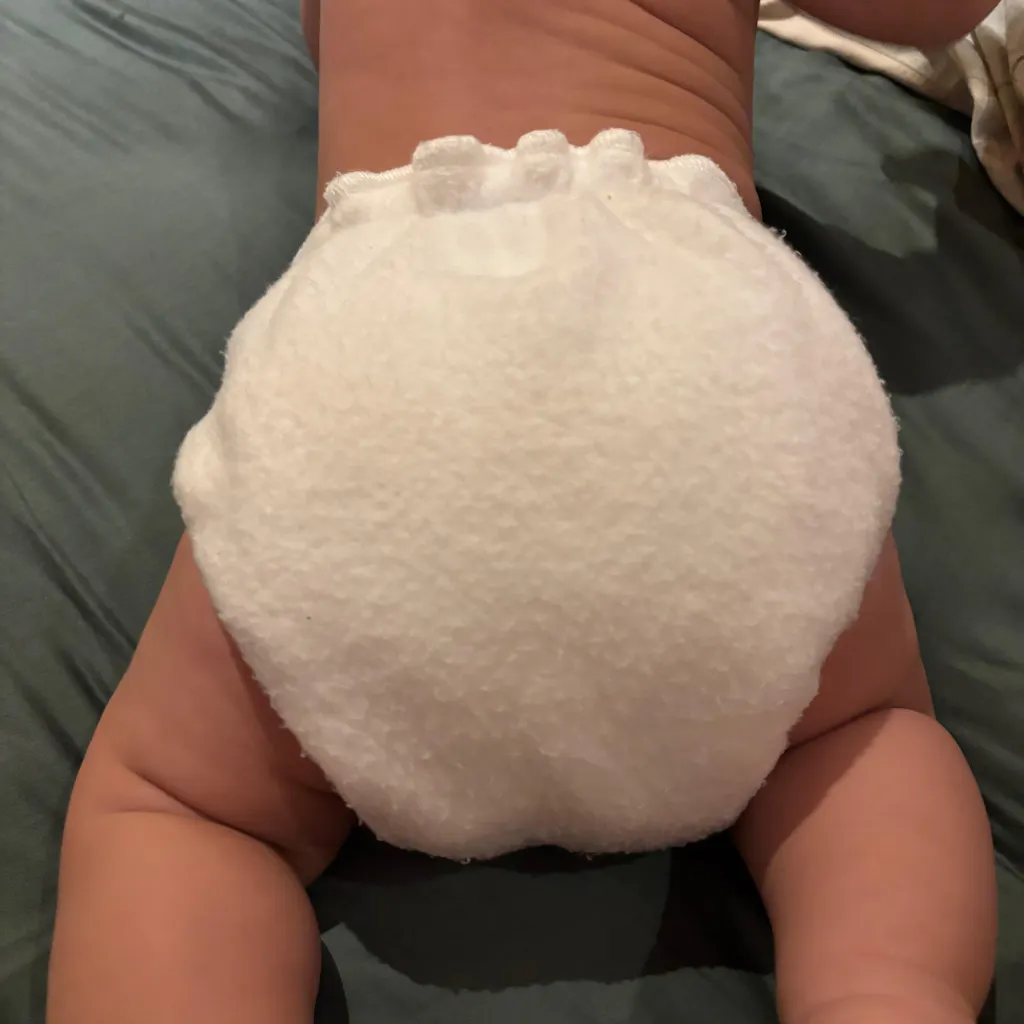
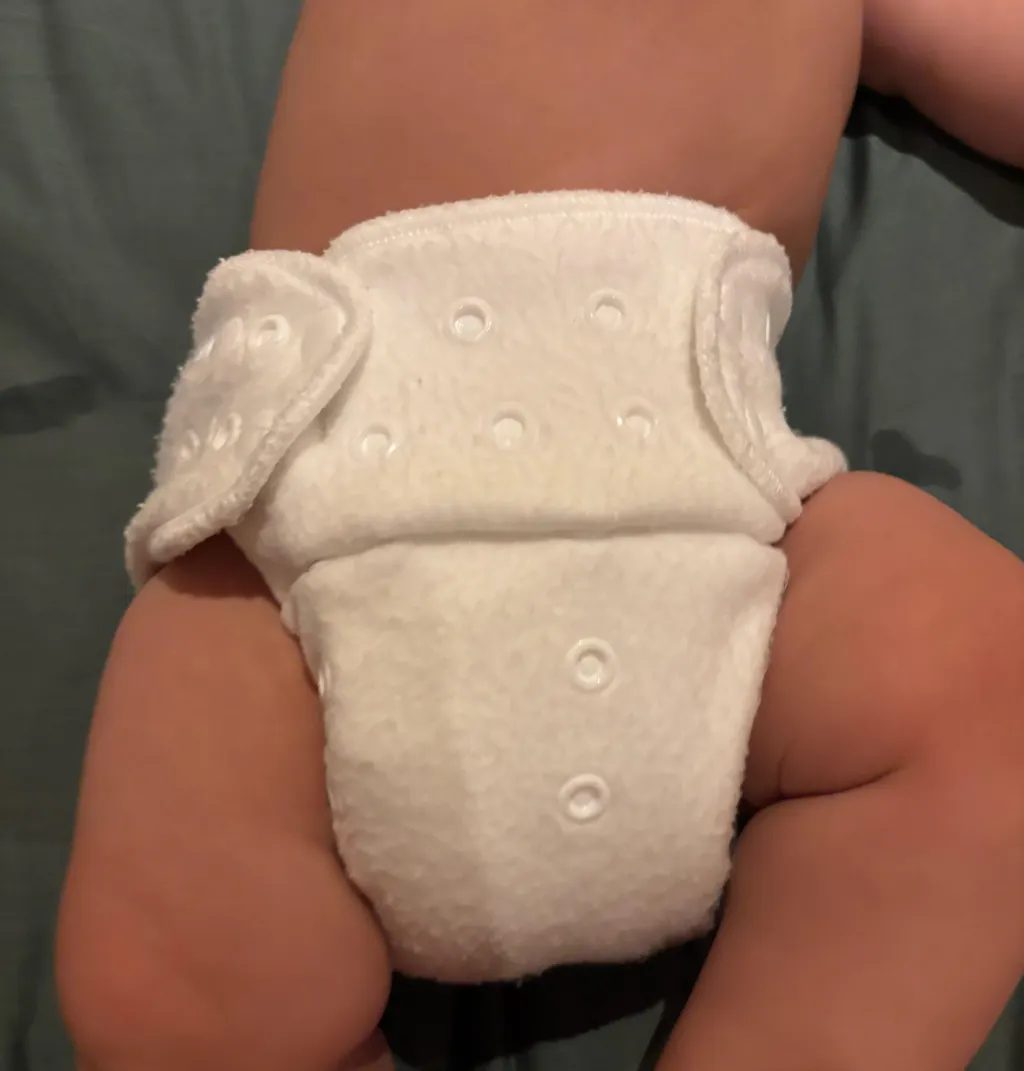
Modern cloth nappies are not what your grandmother used. They're not squares of terry towelling held together with a safety pin and a prayer.
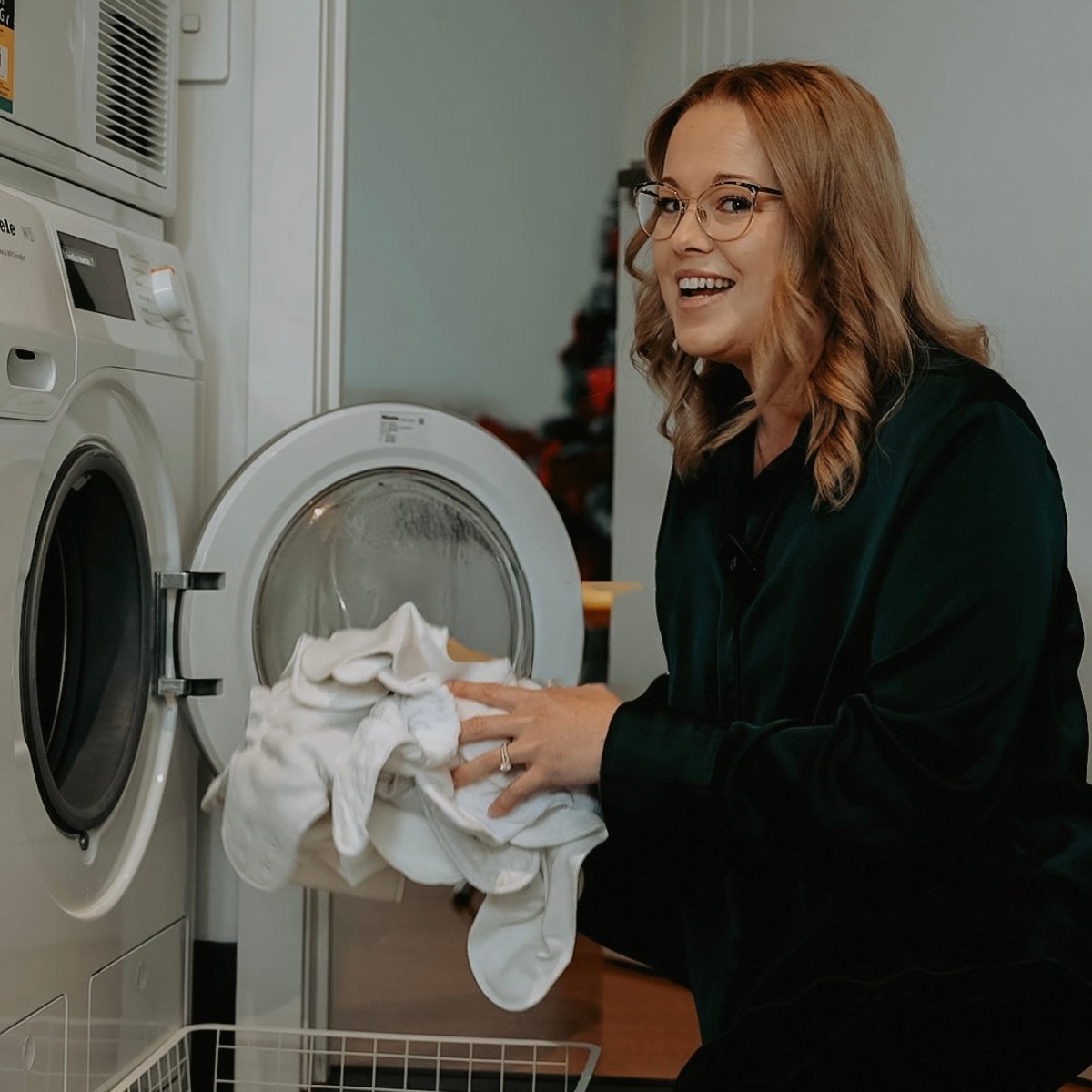
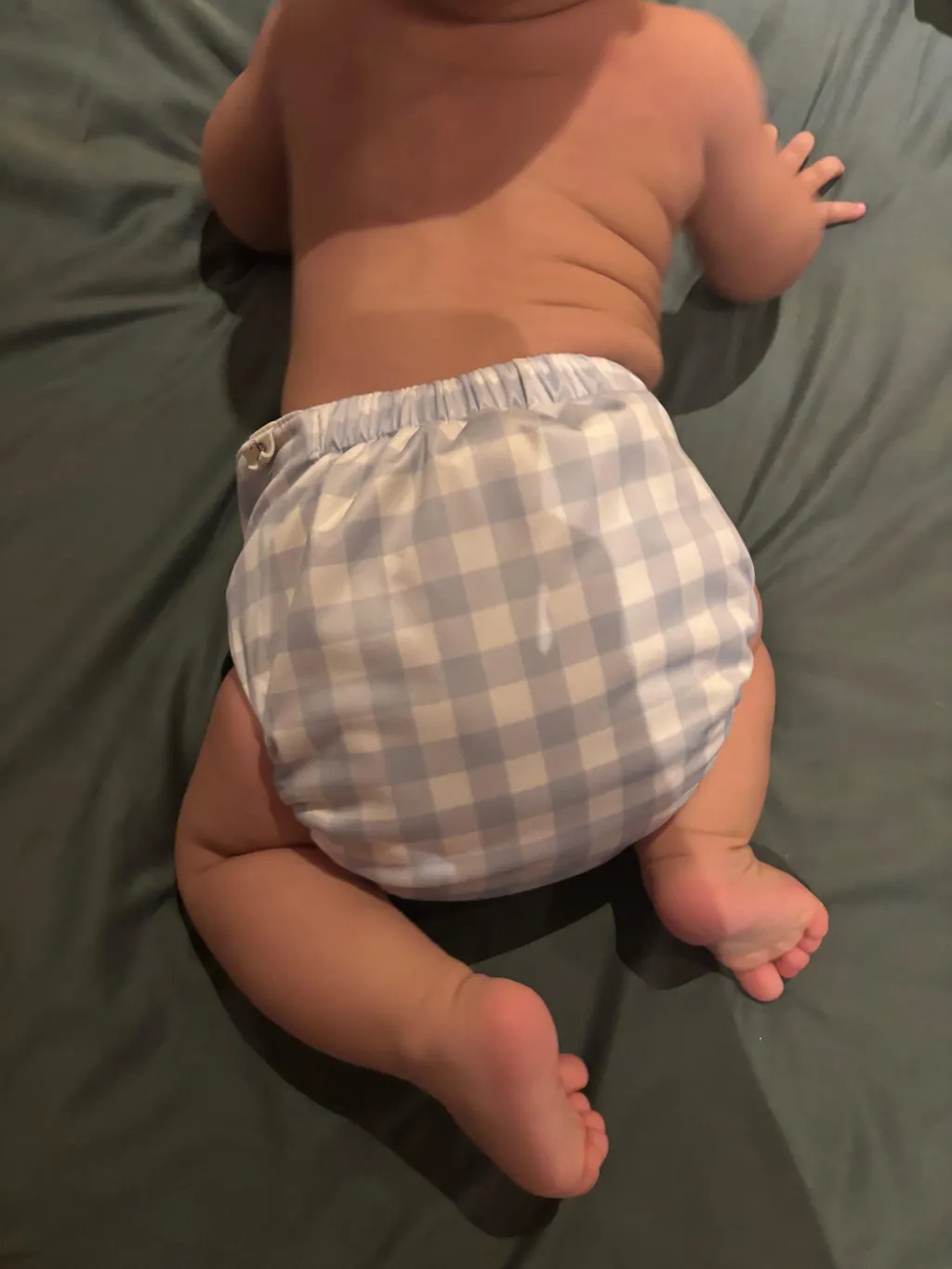
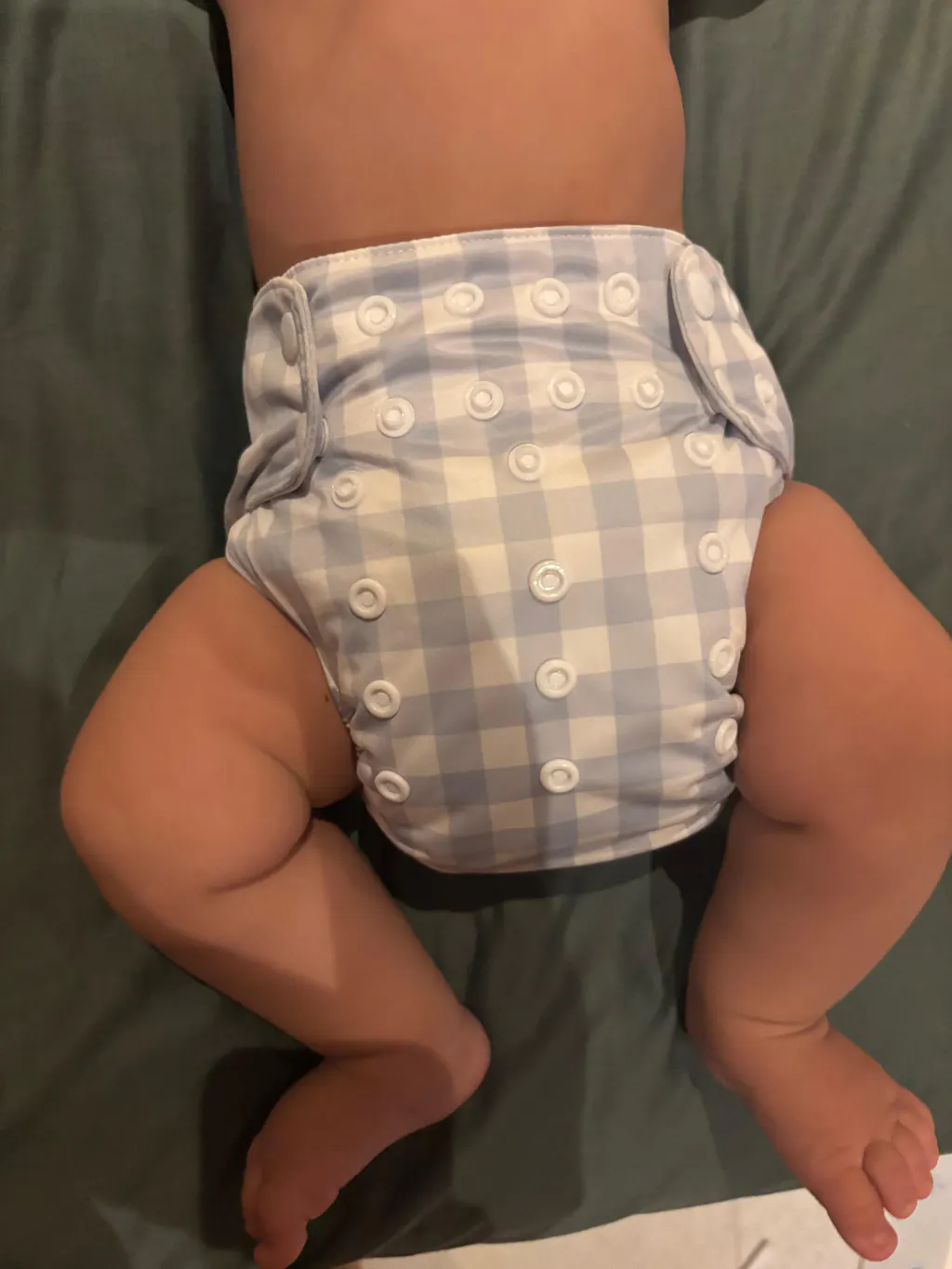
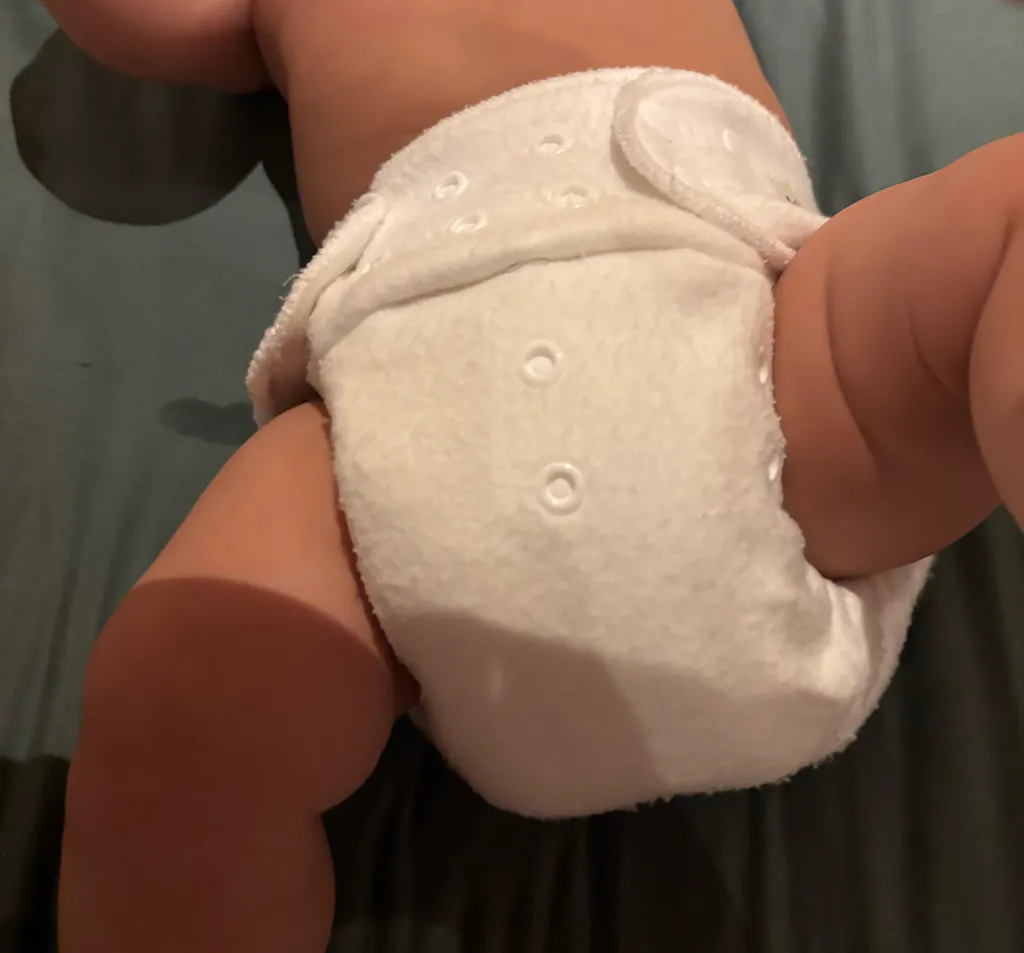
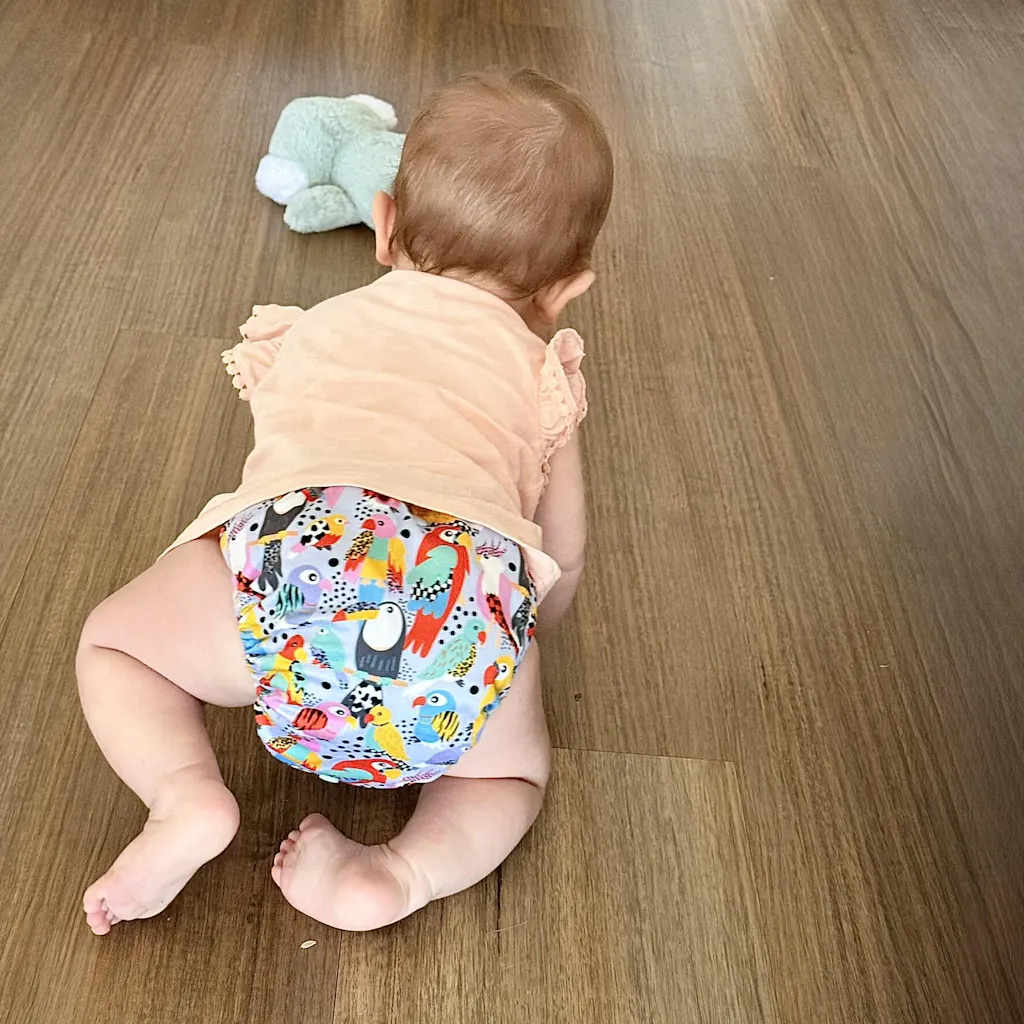
Today's cloth nappies are shaped. They fasten with snaps. They adjust to fit from newborn through to toddler. They wash in a standard machine and line dry in a few hours. Most parents who make the switch describe the learning curve as about one week, after which they wonder what they were worried about.
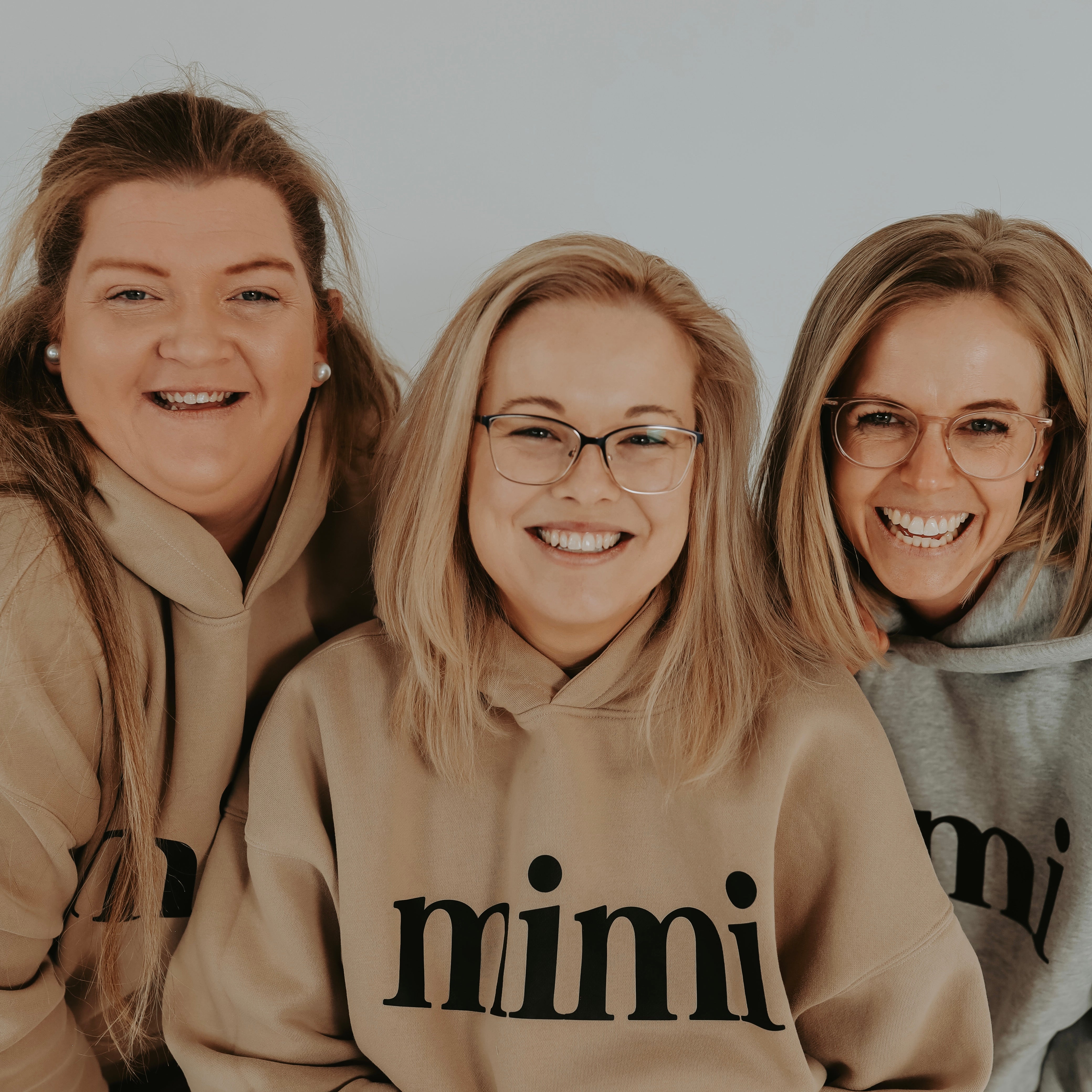
At Mimi & Co, we started making cloth nappies because our premature son couldn't fit anything on the market. We designed our own. A decade later, over 50,000 Australian families use them.
The switch removes a significant, daily source of plastic from your baby's immediate environment. It also removes your household from the 3.75 million nappies disposed of in Australia every single day. Over two to three years of nappy use, the difference adds up to thousands of nappies that were never made and never thrown away.
The honest version (because we don't do greenwashing)
Cloth nappies aren't perfect, and we're not going to pretend they are.
They need to be washed, which uses water and electricity. The environmental benefit depends on how you wash them. A full load, a temperature below 60 degrees, and line drying where possible makes a meaningful difference. Research from the UK Environment Agency shows that washed this way, cloth nappies carry around 25% less global heating potential than disposables over a child's nappy years.
Some parts of cloth nappies, including the waterproof outer layer, do contain synthetic materials. These are there for function and durability. A single cloth nappy used for two children over four years is a fundamentally different environmental proposition to a nappy worn for three hours and sent to landfill.
No product is without trade-offs. But when it comes to what's in direct daily contact with your baby's skin, cloth nappies are a significantly lower-plastic choice. And that matters more than it ever has.
The one thing you can control
You can't filter microplastics out of tap water. You can't avoid them entirely in food. The scale of the problem is genuinely daunting, and individual action alone won't solve it.
But you can choose what touches your baby's skin every day.
That's not a small thing. It's two and a half years of daily contact. It's thousands of nappies. It's a choice you make over and over again, and it adds up.
If you're curious about making the switch, our Starter Packs let you try four to six nappies before committing to a full stash. Most families find they've converted within the first week.
The hardest part is just starting.
Mimi & Co is Australia's most reviewed cloth nappy brand, trusted by over 50,000 families. We're based in Canberra and obsessed with making reusable nappies that actually work for real life. Because the best nappy is the one you'll actually use.


Leave a comment
All comments are moderated before being published.
This site is protected by hCaptcha and the hCaptcha Privacy Policy and Terms of Service apply.