Complete Lanolising Guide

A Comprehensive Guide to Lanolising Wool Covers

Master the art of waterproofing your wool covers for leak-free nights and happy babies.

Shop Lanolin

What is Lanolin?

Lanolin is a natural wax derived from sheep's wool. It's composed of a blend of fatty acids and alcohols that work together to provide waterproofing and protection. Think of it as nature's way of keeping sheep's wool soft and shielded from the elements!

Sheep's Wool

LANOLIN

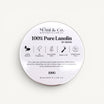
Pure Lanolin

Did You Know?
Lanolin is similar to the oils our skin naturally produces! That's why it's found in many skincare products like baby oil, nappy rash creams, and lip balms.

Why Lanolise Your Wool Covers?

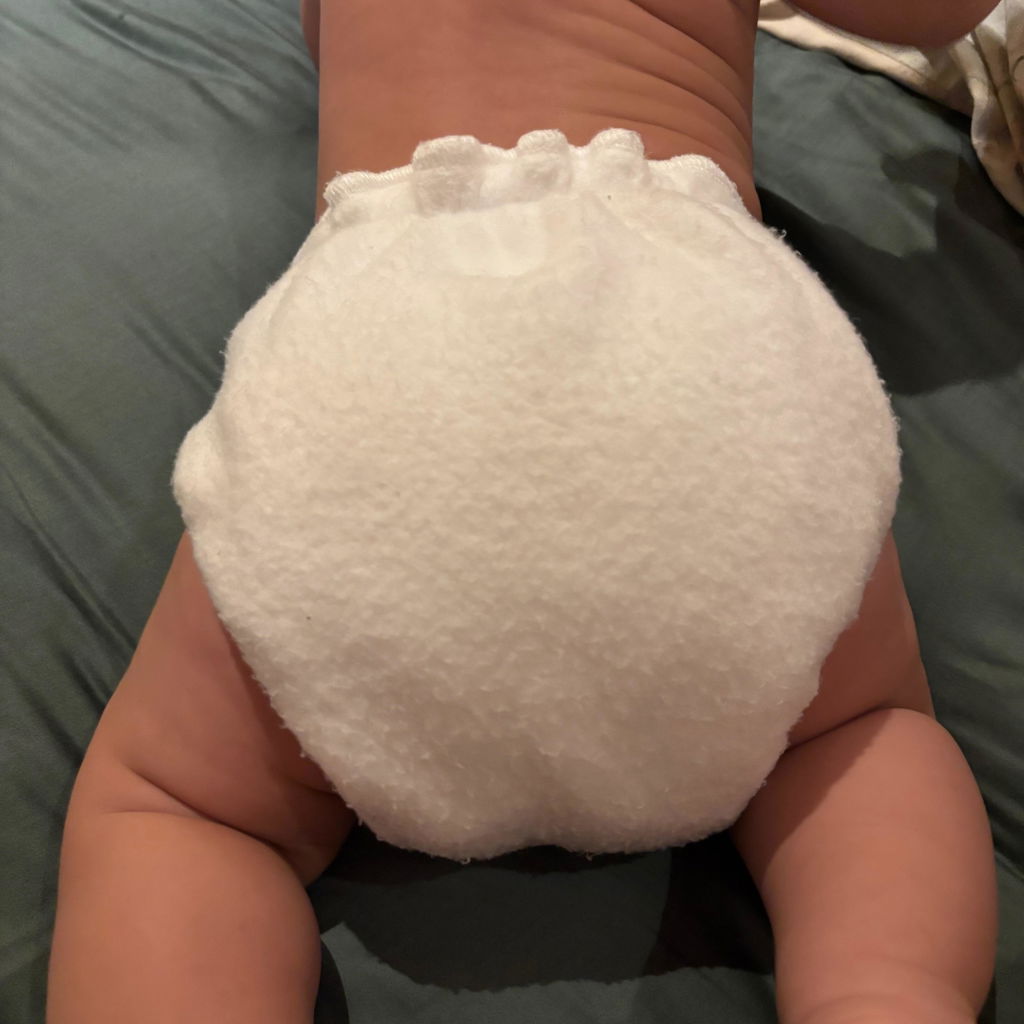
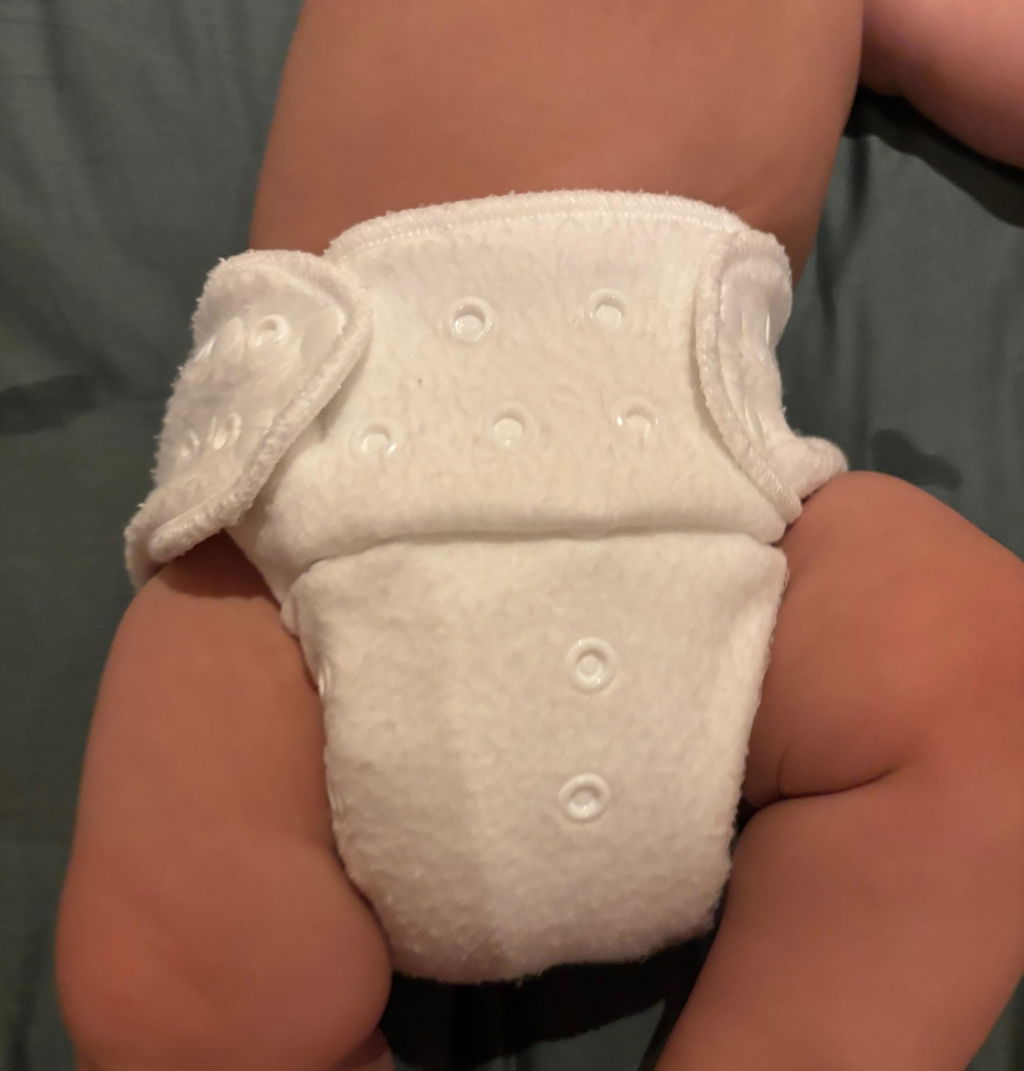
Lanolising your wool covers creates a water-resistant barrier that ensures ultimate protection against leaks. No matter how much absorbency your baby's cloth nappy has underneath, a properly lanolised wool cover provides unmatched security.

Waterproof Barrier

Creates a natural water-resistant layer to prevent leaks

Breathable

Unlike plastic, wool stays breathable while repelling moisture

Long Lasting

A well-lanolised cover can be reused many times before washing

Gentle on Skin

Natural and safe for baby's sensitive skin

What You'll Need

Lanolin (about ½ teaspoon)
Hot water from kettle
Small bowl
Large bowl
Soap (any kind, ½ tsp)
Clean towel

Step-by-Step Guide

Follow these simple steps to lanolise your wool cover. You can begin with your wool cover either wet or dry.

If your wool cover has been previously lanolised and used, give it a gentle hand wash to prepare it for the lanolising process. Use lukewarm water and a wool-safe detergent.

Pro Tip
New wool covers should also be lanolised before first use, even if they come pre-lanolised. Starting with a fresh lanolising ensures maximum protection.
  • Take a normal-sized eating bowl and fill it with hot water from a kettle (about half a cup)
  • Add about half a teaspoon of lanolin into the bowl
  • Stir until the lanolin melts completely
Important
The water needs to be hot enough to melt the lanolin completely. If it cools too much, the lanolin will solidify again.
  • Add half a teaspoon of soap into the lanolin mixture (any soap will do!)
  • Stir well until the mixture turns a milky, cloudy colour
You'll Know It's Ready When...
The mixture looks milky and cloudy. This indicates that the lanolin has emulsified with the soap and water, allowing it to distribute evenly.
  • Fill a larger bowl with warm water (approximately 750ml or three-quarters of a litre)
  • Pour the lanolin mixture into the warm water
  • Mix thoroughly to combine
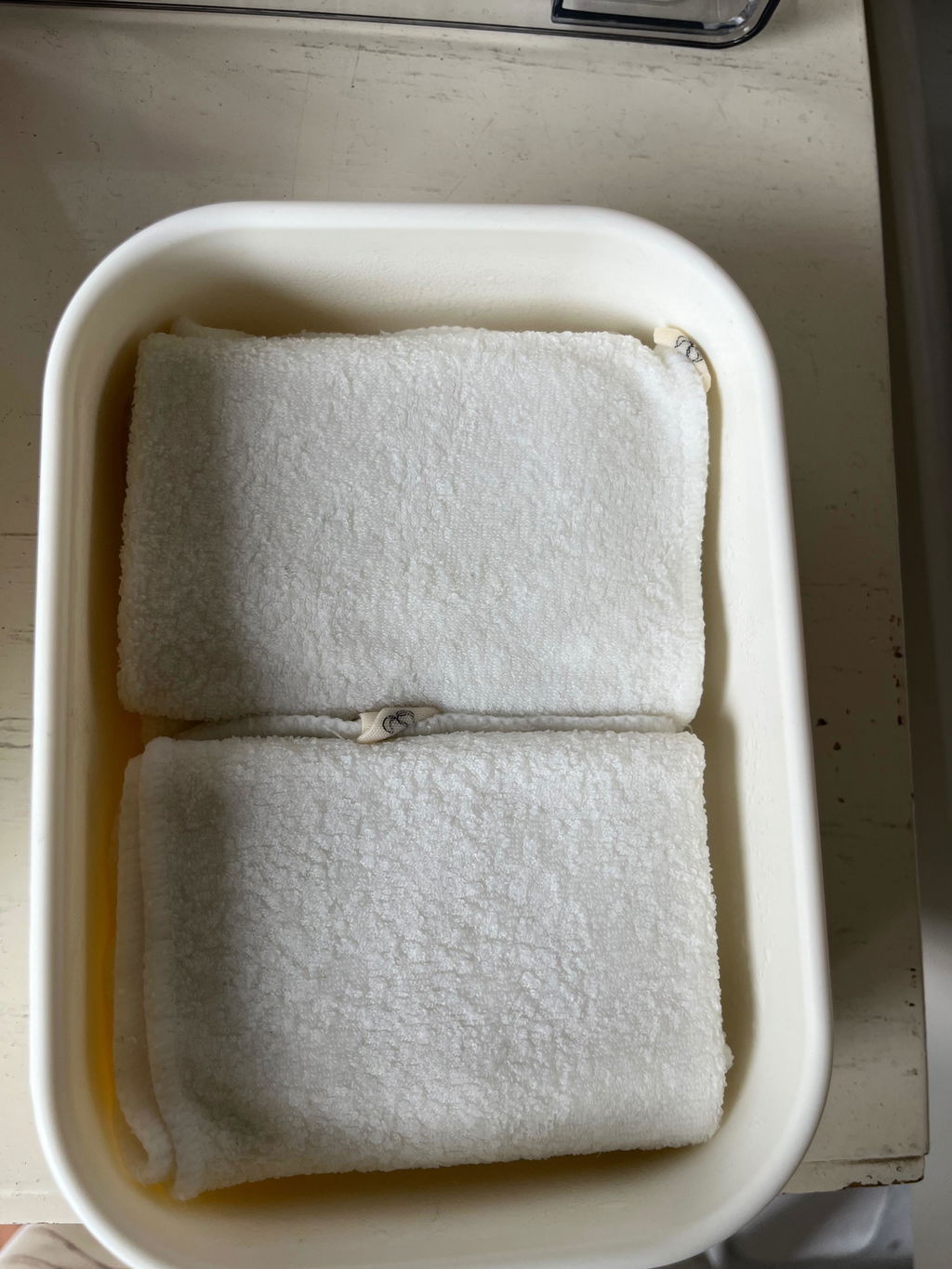
  • Submerge the wool cover completely into the lanolin mixture
  • Allow it to soak for at least a couple of hours (or overnight for best results)
  • Gently squeeze the cover a few times to ensure the lanolin penetrates the fibres

Soak Timer

02:00:00

Pro Tip
For heavy wetters or maximum protection, soak overnight. The longer the soak, the more lanolin will absorb into the wool fibres.
  • Remove the wool cover from the lanolin mixture
  • Gently wring out any excess water (don't twist too hard!)
Be Gentle!
Wool is delicate when wet. Avoid wringing too hard or twisting aggressively, as this can damage the fibres and affect the shape of your cover.
  • Lay a clean towel flat on a surface
  • Place the wet wool cover onto the towel
  • Roll up the towel with the cover inside and gently press to absorb moisture
  • Hang the wool cover outside in the sun for about 20-30 minutes
  • The sun's rays help to further dry and set the lanolin
No Sun? No Problem!
If it's cloudy or you're drying indoors, that's fine too! The sun just helps speed up the process. Avoid direct heat sources like radiators or tumble dryers.
  • Bring the cover indoors to complete the drying process
  • Lay flat on a clean, dry surface or hang to air dry
  • Once completely dry, your wool cover is ready to use!
You Did It!
Your wool cover is now lanolised and ready to provide leak-free protection for your baby's cloth nappies!
Lanolising Checklist
0% Complete
Washed wool cover (if previously used)
Lanolin melted in hot water
Added soap and stirred until milky
Mixed into larger bowl of warm water
Soaked for at least 2 hours
Gently wrung out excess water
Rolled in towel to remove moisture
Dried completely

Bonus: Lanolin for Mum Too!

As Mimi would say, lanolin is perfect for "Nips and Lips"! Its gentle properties make it ideal for mum's care too.

Sore Nipples

Excellent moisturiser for soothing sore nipples during breastfeeding

Dry Lips

Keeps lips hydrated and nourished, especially in dry weather

Sensitive Skin

Relief for eczema and other sensitive skin conditions

Frequently Asked Questions

Generally, you should lanolise your wool cover every 3-4 weeks, or whenever you notice it's no longer repelling moisture effectively. If you notice leaks starting to happen, it's time to re-lanolise!
Yes! Any soap will work for emulsifying the lanolin. Dish soap, hand soap, baby wash, or even shampoo will do the trick. The soap just helps the lanolin mix evenly with the water.
Not necessarily! If your wool cover has only been used lightly and doesn't smell, you can lanolise directly. However, if it's been heavily used or has any odours, a gentle wash first is recommended.
A few things could be happening: the lanolin may not have fully melted, you may need more lanolin, or the soak time wasn't long enough. Try using slightly more lanolin and soaking overnight. Also ensure your cover is big enough to fully contain all the fitted nappy fabric inside.

Top Tips for Success

1 Use HOT water to melt the lanolin completely before adding soap
2 Stir until the mixture is milky and cloudy for even distribution
3 Soak overnight for heavy wetters or maximum protection
4 Never use heat to dry wool - always air dry flat or on a line
5 A properly lanolised cover feels slightly waxy to the touch
6 Re-lanolise every 3-4 weeks or when leaks start occurring

Ready to Lanolise?

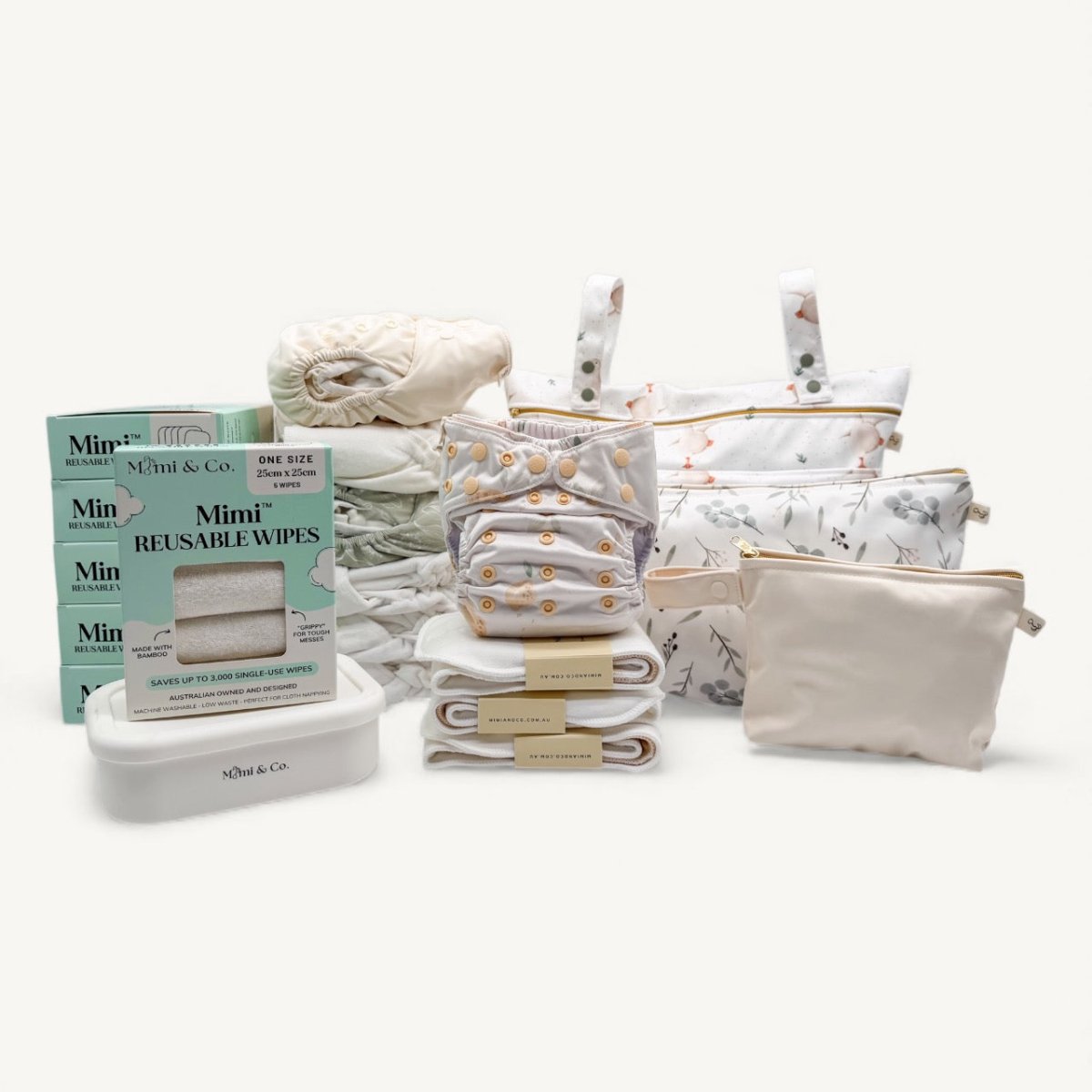
Get everything you need for perfectly waterproofed wool covers