
![Swim Nappy Bundle [Ship Oct 5 - 10] - Mimi & Co](http://mimiandco.com.au/cdn/shop/files/swim-nappy-bundle-ship-oct-5-10-5796576.jpg?v=1770171125)

![Toilet Training Undies Pants [Jan Preorder] - Mimi & Co](http://mimiandco.com.au/cdn/shop/files/toilet-training-undies-pants-jan-preorder-6316642.jpg?v=1766216229&width=1200)


![Reusable Bamboo Mimi™ Wipes [5 Pack] - Mimi & Co](http://mimiandco.com.au/cdn/shop/files/reusable-bamboo-mimi-wipes-5-pack-7600782.jpg?v=1773649075)


![Reusable Mimi® Menstrual Underwear [Shipping 31/9] - Mimi & Co](http://mimiandco.com.au/cdn/shop/files/reusable-mimi-menstrual-underwear-shipping-319-6508918.png?v=1776734572)



![Toilet Training Undies Pants 2.0 | Baby Duck [Ships September] - Mimi & Co](http://mimiandco.com.au/cdn/shop/files/toilet-training-undies-pants-20-baby-duck-ships-september-9296055.png?v=1784808614&width=104)



![Travel Bamboo Change Mat [Ships March 14th] - Mimi & Co](http://mimiandco.com.au/cdn/shop/files/travel-bamboo-change-mat-ships-march-14th-1490896.jpg?v=1769606287&width=104)


![Reusable Bamboo Mimi™ Wipes [10 Pack] - Mimi & Co](http://mimiandco.com.au/cdn/shop/files/reusable-bamboo-mimi-wipes-10-pack-2507756.jpg?v=1773666247&width=104)
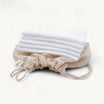
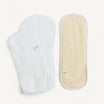
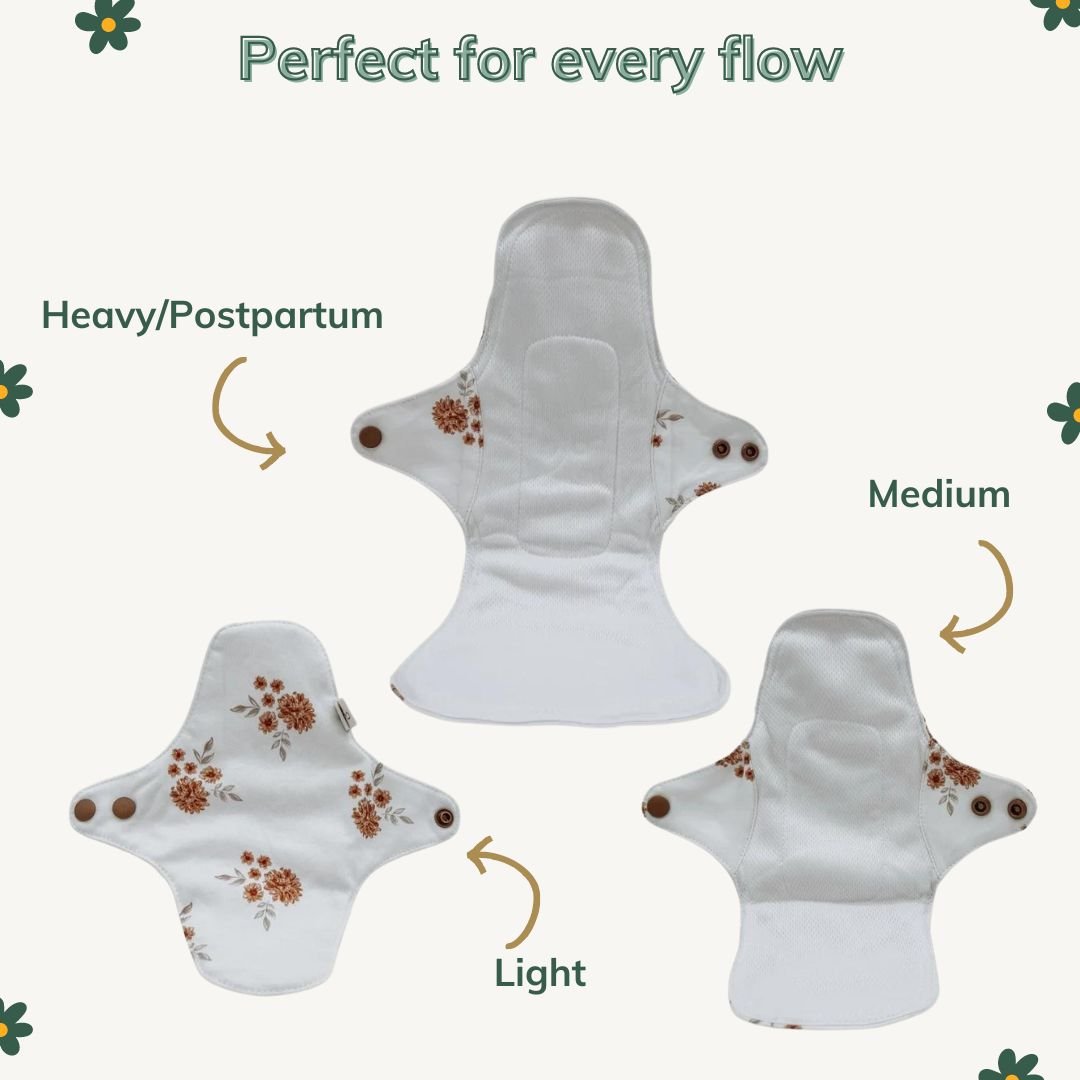
Padsicles are a soothing and healing remedy for postpartum recovery and other situations requiring relief and comfort. In this blog, we’ll explore what padsicles are, when to use them, and provide a step-by-step guide on how to make them with your reusable sanitary pads.
What are Padsicles?
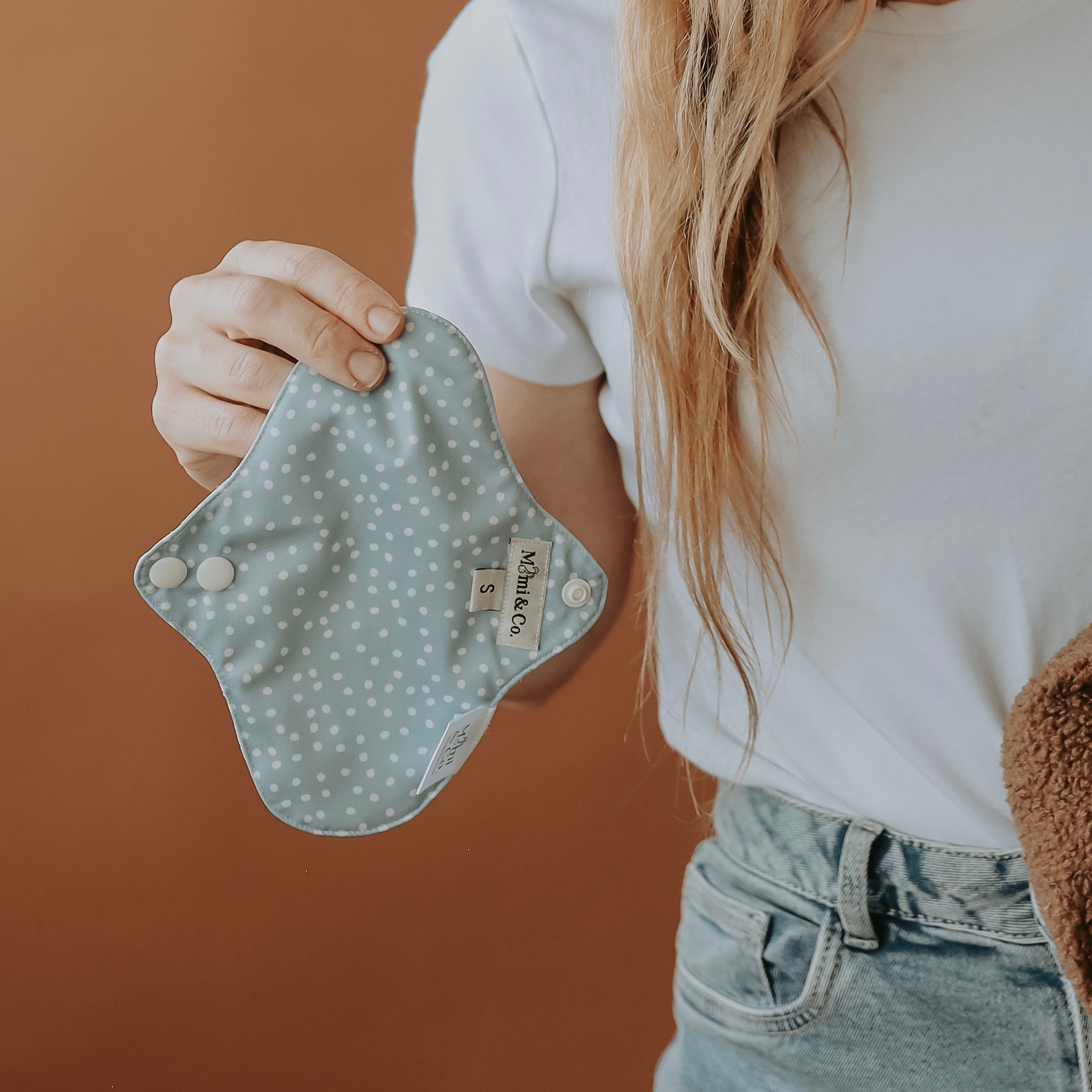
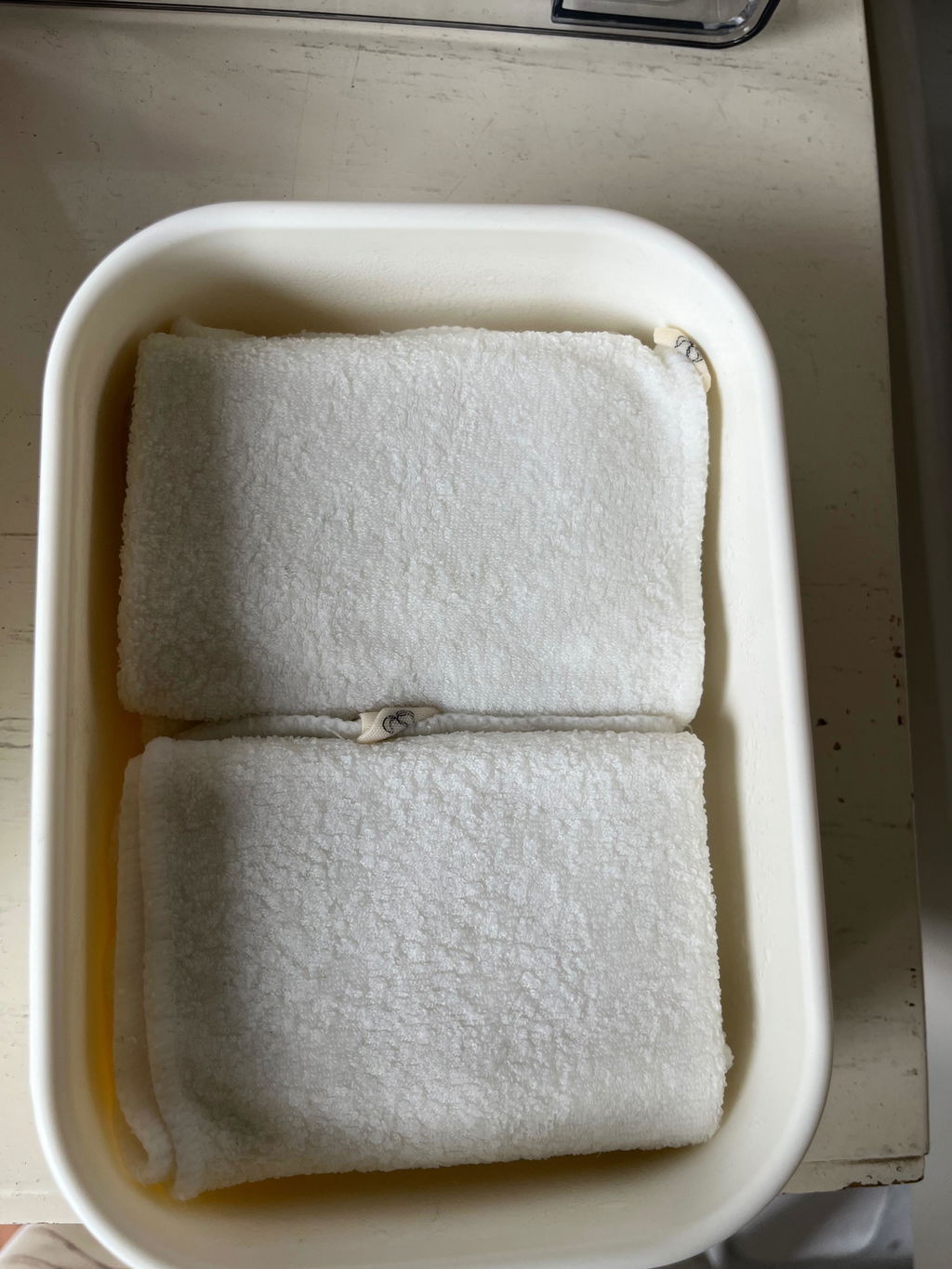
Padsicles are sanitary pads infused with healing and cooling ingredients, then frozen. They provide relief from discomfort, swelling, and pain, particularly after childbirth. Using reusable sanitary pads for padsicles is an eco-friendly alternative that offers the same benefits while being gentle on the environment.
Instances When You Can Use Padsicles
Padsicles can be used in various situations, including:
Postpartum Recovery
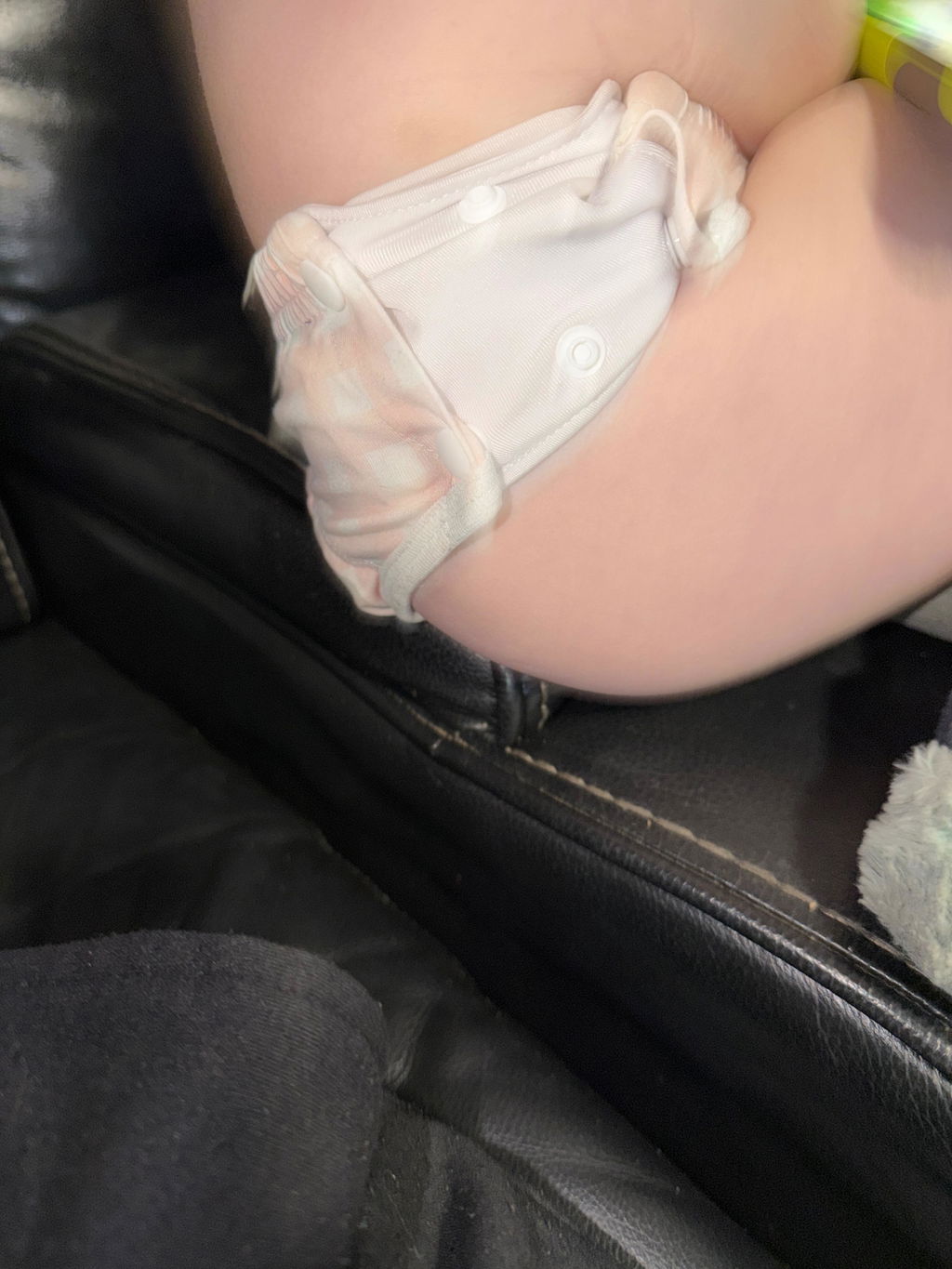
Padsicles are most commonly used by new mothers to alleviate pain and swelling after childbirth. They help soothe perineal tears, episiotomies, and general postpartum discomfort.
Menstrual Cramps
The cooling effect of padsicles can also provide relief from menstrual cramps and reduce inflammation.
Hemorrhoids
For those suffering from hemorrhoids, padsicles offer a comforting and cooling effect, reducing pain and swelling.
Post-Surgical Recovery
Padsicles can be used after surgeries that involve the perineal area to aid in recovery and provide comfort.
Step-by-Step Guide on How to Make Padsicles
Here’s a simple and effective way to make padsicles using aloe vera and non-alcoholic witch hazel.
Materials Needed:
- Reusable sanitary pads
- Aloe vera gel (preferably organic)
- Non-alcoholic witch hazel
- Lavender essential oil (optional)
- Plastic wrap or reusable silicone bags
- A spoon or spatula
Instructions:
Prepare the Pads
Lay out your reusable sanitary pads on a clean surface.
- Mix the Ingredients:
- In a small bowl, mix 1/4 cup of aloe vera gel and 1/4 cup of non-alcoholic witch hazel.
- If desired, add a few drops of lavender essential oil for additional soothing properties.
- Apply the Mixture:
- Using a spoon or spatula, evenly spread a thin layer of the aloe vera and witch hazel mixture onto each pad. Ensure the mixture is spread across the surface that will be in contact with your skin.
- Wrap the Pads:
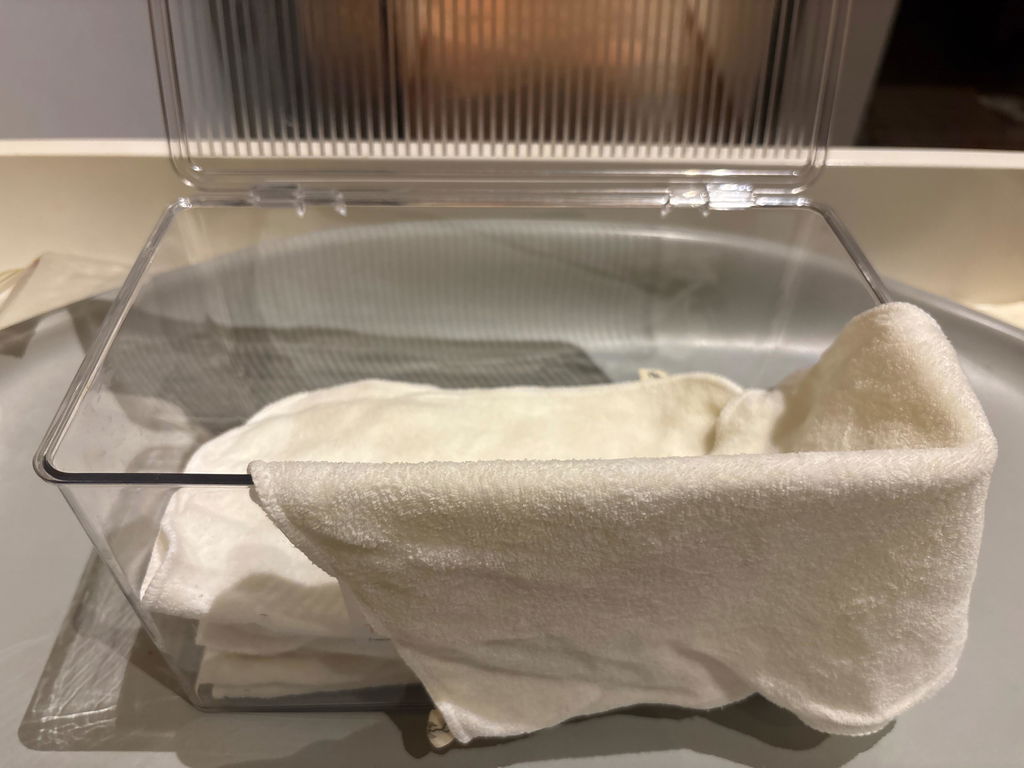
- Carefully wrap each pad in plastic wrap or place them in reusable silicone bags to prevent them from sticking together and to keep them sanitary.
- Freeze the Pads:
- Place the wrapped pads in the freezer and allow them to freeze for at least 2 hours or until they are completely solid.
- Use the Padsicles:
- When you need to use a padsicle, remove it from the freezer and allow it to thaw slightly before placing it in your underwear. The cooling sensation will provide immediate relief.

The Benefits of Padsicles
Pain Relief
The cooling effect of padsicles helps numb the area, providing immediate relief from pain and discomfort.
Reduce Swelling
Padsicles help reduce inflammation and swelling, promoting faster healing.
Promote Healing
The combination of aloe vera and witch hazel has natural healing properties that aid in skin regeneration and reduce the risk of infection.
Comfort
Padsicles provide a soothing and comforting sensation, making the postpartum recovery or menstrual period more manageable.
Eco-Friendly
Using reusable sanitary pads for padsicles is an environmentally friendly option, reducing waste and promoting sustainable practices.
In ending
Padsicles are a fantastic natural remedy for postpartum recovery, menstrual cramps, and other discomforts, offering soothing relief and promoting healing. By using reusable sanitary pads, you not only take care of your body but also make an eco-friendly choice that benefits the environment. With the simple, step-by-step guide provided, you can easily make padsicles at home using aloe vera and non-alcoholic witch hazel. Embrace this sustainable and effective method to alleviate pain, reduce swelling, and enhance your overall comfort. Try making padsicles today and experience the soothing benefits for yourself!



Leave a comment
All comments are moderated before being published.
This site is protected by hCaptcha and the hCaptcha Privacy Policy and Terms of Service apply.